A sore jaw can make ordinary things unexpectedly difficult: eating breakfast, speaking in a meeting, yawning or settling down to sleep. If you are wondering how to relieve jaw pain, the right approach depends on what is causing it. Tension in the jaw muscles can often improve with gentle self-care, while a tooth infection, cracked tooth or wisdom tooth problem needs prompt dental treatment rather than time at home.
The key is to reduce discomfort safely without overlooking a problem that could worsen. Persistent, severe or recurring jaw pain deserves a professional assessment, particularly when it affects your bite, sleep or ability to eat.
Start with gentle measures to relieve jaw pain
For mild jaw discomfort that has come on gradually, such as aching after clenching your teeth or chewing something hard, give the area a chance to rest. Choose softer foods for a few days, such as soup, yoghurt, scrambled eggs, pasta or fish. Avoid gum, chewy sweets, crusty bread and large bites that force the jaw to open widely.
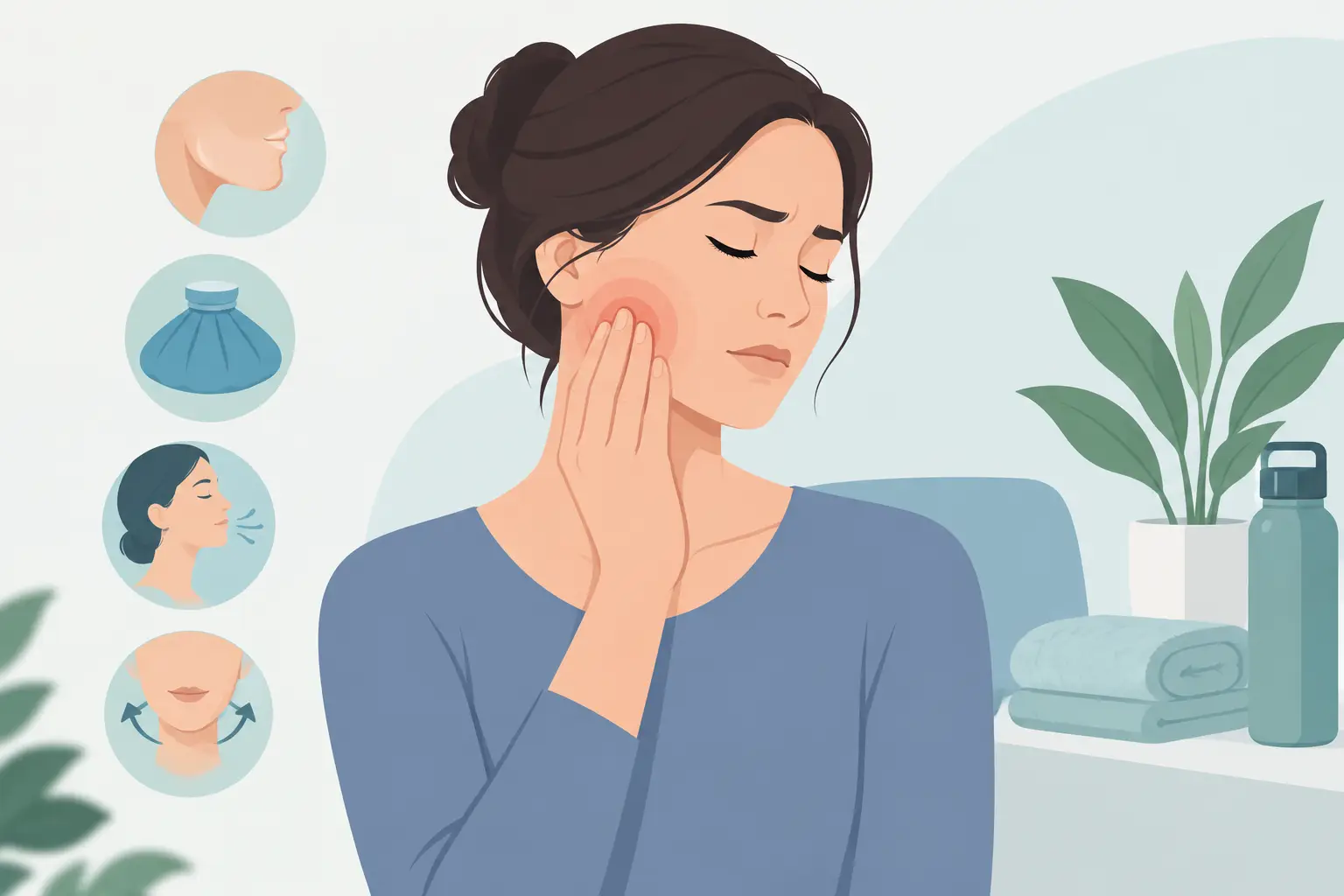
A warm compress applied to the side of the face for 10 to 15 minutes can help relax tight muscles. If the area feels newly inflamed or swollen after an injury, a cold compress wrapped in a cloth may be more comfortable during the first 24 hours. Never place ice directly against the skin.
Keep your teeth slightly apart whenever you are not eating. This is the jaw’s natural resting position. Many people hold their teeth together while concentrating, driving or dealing with stress without realising it. A simple reminder on your phone or computer can help you reset your jaw, drop your shoulders and rest your tongue gently behind your upper front teeth.
Over-the-counter pain relief may be suitable for some adults when taken exactly as directed on the packet. However, it is not appropriate for everyone. Speak with a pharmacist, GP or dentist first if you are pregnant, have stomach, kidney, liver or heart conditions, take blood-thinning medication, or are unsure which medicine is safe for you. Pain relief should support your comfort, not delay assessment of a suspected dental infection.
Consider what may be causing the pain
Jaw pain is a symptom rather than a diagnosis. It may come from the jaw joint and surrounding muscles, but it can also be referred from a tooth, gum, sinus or ear. The location, timing and nature of the pain provide useful clues.
Jaw clenching and teeth grinding
Clenching and grinding, also known as bruxism, are common causes of morning jaw ache, temple headaches and tenderness around the cheeks. Some people grind during sleep; others clench during the day when under pressure. You may also notice worn or chipped teeth, sensitive teeth, or a partner may hear grinding at night.
Reducing daytime clenching, improving sleep routines and managing stress can make a real difference. Yet if grinding is ongoing, the teeth and jaw joints need protecting. A dentist can assess your bite, signs of tooth wear and muscle tenderness, then discuss whether a custom-made protective appliance is appropriate. This is more precise than relying on a generic device, which may not fit or support the bite correctly.
Temporomandibular joint problems
The temporomandibular joints, often shortened to TMJs, connect the lower jaw to the skull. Irritation in these joints or the muscles around them can cause pain in front of the ears, clicking, stiffness, limited opening or a sensation that the jaw is catching.
Not every click needs treatment. Clicking without pain, restricted movement or changes to the bite is often monitored rather than aggressively treated. If the joint is painful, locks, repeatedly catches or prevents you from opening normally, a detailed examination is worthwhile. Treatment is tailored carefully and may include bite assessment, a stabilisation appliance, physiotherapy guidance or further imaging where clinically indicated.
Dental infection, decay or a cracked tooth
Tooth-related pain is often felt as jaw pain, especially in the lower back teeth. A deep cavity, failing filling, cracked tooth or infection around the root can cause throbbing discomfort that worsens when biting, lying down or drinking something hot or cold. Swollen gums, a bad taste in the mouth and facial swelling can also point to infection.
These problems do not resolve with warm compresses or painkillers alone. Early treatment may preserve the tooth with restorative care or root canal treatment. Leaving an infection untreated can lead to greater pain, swelling and more complex treatment.
Wisdom teeth and gum inflammation
Partially erupted wisdom teeth can trap food and bacteria beneath the gum flap around them. This may cause tenderness at the very back of the jaw, swelling, an unpleasant taste and difficulty opening the mouth. Some wisdom teeth settle with careful cleaning and monitoring, while others are likely to cause repeat infections, damage to nearby teeth or ongoing discomfort.
A clinical examination and appropriate X-rays allow the dentist to assess the tooth position, surrounding bone and relationship to nearby structures. Where removal is the best option, careful surgical planning helps make treatment as predictable and comfortable as possible.
What not to do when your jaw is sore
Avoid forcing your jaw open to test its range of movement. Repeated stretching through sharp pain can aggravate an already irritated joint or muscle. It is also wise to avoid resting your chin heavily in your hand, biting pens, chewing ice and trying to “click” the jaw back into place.
Do not place aspirin or other tablets directly on a sore gum or tooth. This can burn the soft tissues and will not treat the source of pain. Similarly, antibiotics left over from a previous illness should never be self-prescribed. Dental infections require the correct diagnosis and, where necessary, treatment to remove the source of infection.
If pain is linked with stress, aim for practical changes rather than expecting your jaw to relax on command. Short walks, regular meals, hydration, screen breaks and a wind-down routine before bed can reduce the physical tension that contributes to clenching. These measures work best alongside dental care when there are signs of tooth wear or bite instability.
When jaw pain needs urgent dental attention
Arrange a prompt dental appointment if jaw pain lasts more than a few days, keeps returning, wakes you at night or makes it hard to chew. You should also be assessed if you have a broken tooth, swelling around a tooth or gum, a change in your bite, persistent sensitivity, limited jaw opening or pain after dental trauma.
Some symptoms require urgent action. Seek emergency dental care for facial swelling, fever, pus, rapidly worsening pain or swelling spreading into the cheek, neck or around the eye. If swelling affects breathing or swallowing, attend an emergency department immediately. These can be signs of a spreading infection that must not wait.
It is also sensible to seek medical advice urgently for jaw pain accompanied by chest pain, breathlessness, nausea, sweating or pain spreading to the arm, back or neck. While many cases are dental or muscular, these symptoms can indicate a medical emergency.
How a dental assessment can provide lasting relief
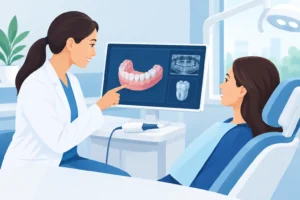
A thorough assessment looks beyond the immediate sore spot. Your dentist will discuss when the pain began, what triggers it, whether you clench or grind, and any changes in your teeth or bite. They will examine the teeth, gums, jaw joints and chewing muscles, with digital X-rays or further imaging used when needed to clarify the diagnosis.
This matters because treatments that sound similar can have very different purposes. A night guard may protect teeth affected by grinding, but it will not cure a dental abscess. Removing a problematic wisdom tooth may stop recurrent infections, but it is not the answer to muscle tension caused by daytime clenching. Precise diagnosis prevents unnecessary treatment and focuses care on the source of the pain.
For patients who feel nervous about dental visits, jaw pain can be especially unsettling. A calm, judgement-free appointment gives you space to explain what you are experiencing and agree a plan at a manageable pace. At Slievemore Dental, care can be coordinated across general dentistry, restorative treatment and oral surgery where a more complex cause is identified.
Jaw pain is your body’s signal to pause and pay attention. Gentle measures may settle a minor flare-up, but if the discomfort persists or comes with swelling, tooth symptoms or restricted movement, timely professional care is the kindest route back to comfortable eating, speaking and smiling.