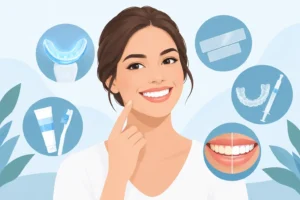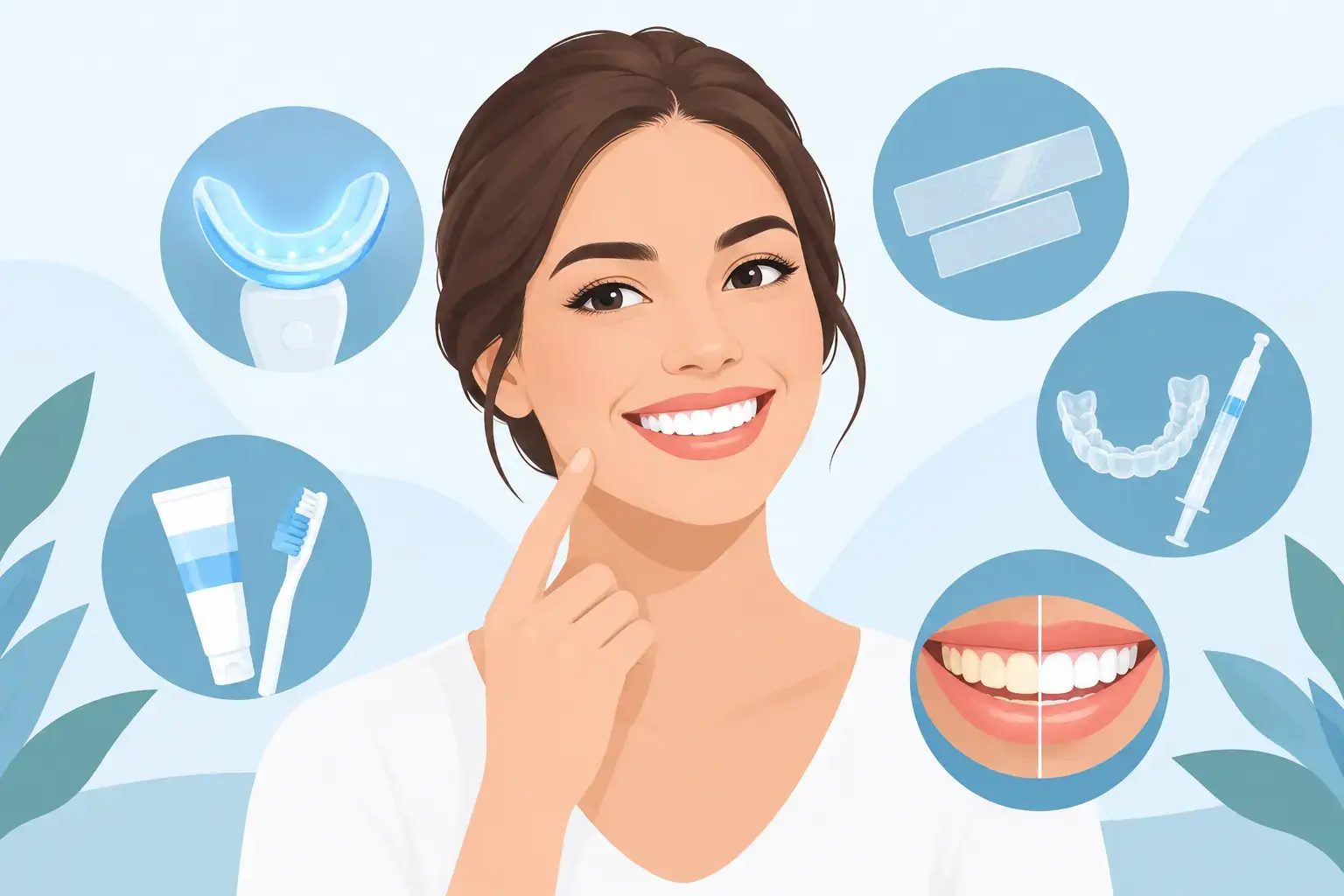
A brighter smile can make a meaningful difference to how you feel in photographs, meetings and everyday conversations. Yet the best teeth whitening methods are not necessarily the fastest, strongest-looking or most heavily advertised. The right approach is one that lightens your natural teeth predictably, protects the enamel and gums, and suits the reason your teeth have darkened in the first place.
Whitening is a clinical treatment, not simply a cosmetic purchase. A dental assessment helps distinguish ordinary surface staining from deeper changes in tooth colour, while checking for concerns such as decay, leaking fillings, gum inflammation, sensitivity or cracks that should be addressed first. This is particularly valuable if you have not seen a dentist for some time, feel nervous about treatment, or have crowns, veneers or fillings in the visible part of your smile.
Best Teeth Whitening Methods: A Clinical Comparison
For most adults, dentist-supervised whitening offers the best balance of safety, control and visible results. Professional whitening gels use peroxide-based ingredients at carefully regulated strengths. These break down the coloured compounds within the tooth, rather than merely polishing stains from the surface.
The two main professional approaches are custom take-home whitening trays and in-practice whitening. They may also be combined, depending on your starting shade, sensitivity and desired outcome. Neither is automatically right for everyone.
Custom take-home trays
Custom-made trays are produced from accurate impressions or digital scans of your teeth. They hold whitening gel closely against the enamel while reducing contact with the gums. You wear them at home for a prescribed period, usually over several days or weeks, with your dentist guiding the strength of gel and duration of wear.
This approach is often the most practical option for patients who want gradual, natural-looking improvement. It gives you control over the pace of whitening and can be especially useful where sensitivity is a concern. Because the trays are made specifically for your mouth, they can also be retained for carefully supervised top-ups in the future.
Results vary with the original tooth shade and the cause of discolouration, but many patients see a significant brightening. The trade-off is patience: this is not a one-appointment change. Consistent use, according to clinical instructions, matters more than trying to accelerate treatment.
In-practice whitening
In-practice whitening is carried out by a dental professional in a controlled setting. Your gums and soft tissues are protected before a whitening gel is applied to the teeth, allowing a higher-intensity treatment to be delivered safely and precisely.
It can be a good choice when there is a particular deadline, such as a wedding, professional event or holiday, or when you would prefer the process to be completed under direct clinical supervision. Many people appreciate the reassurance of having the treatment monitored from start to finish, especially if they are anxious about sensitivity.
An immediate change in shade can be impressive, but it should still look like your smile. A skilled clinician will aim for a bright, healthy and believable result rather than an opaque, artificial white. Some patients benefit most from an in-practice appointment followed by custom trays to refine and maintain the result.
Whitening toothpaste and hygienist cleaning
Whitening toothpastes can help lift newer surface stains from tea, coffee, red wine and tobacco. They do not change the intrinsic colour of the tooth in the same way peroxide whitening can. Their value lies in supporting everyday stain control, not producing a dramatic shade change.
A professional hygiene appointment can also make teeth look cleaner and brighter by removing plaque, tartar and external staining. It is a sensible first step for anyone whose teeth appear dull or yellow due to deposits, particularly around the gumline. However, a scale and polish is not a substitute for whitening if the colour change sits within the enamel or dentine.
Shop-bought strips, kits and online products
Over-the-counter whitening products may seem convenient, but their fit, ingredients and results can be inconsistent. Strips can slide onto the gums, generic trays may allow gel to leak, and unregulated online products can be difficult to verify. Stronger is not safer, particularly if you have recession, exposed root surfaces, worn enamel or existing sensitivity.
In the UK and Ireland, whitening using peroxide products is regulated and should be provided under dental supervision. This safeguards not only the whitening process but also the diagnosis behind it. If a tooth has become darker after trauma, for example, the correct solution may be internal whitening, root canal assessment or restorative treatment rather than another home kit.
Why an Assessment Comes Before Whitening
Not every discoloured smile needs the same treatment. Yellow-toned teeth often respond very well to conventional whitening, while grey or brown shades, developmental marks, medication-related staining and fluorosis may respond less predictably. Your dentist can discuss what is realistic before treatment begins.
It is also essential to understand that whitening does not alter the colour of crowns, veneers, composite bonding or fillings. If you have visible restorations, your natural teeth may brighten around them and make the existing work appear darker by comparison. In some cases, whitening is completed first and replacement restorations are colour-matched afterwards for a more harmonious result.
Patients considering veneers, bonding or crowns often benefit from this sequence. Whitening the natural teeth beforehand gives greater flexibility when selecting the shade of new restorations and can support a subtle, cohesive aesthetic outcome.
Managing Sensitivity Without Compromising Results
Temporary sensitivity is the most common side effect of professional whitening. It may feel like short, sharp sensations in the teeth during or after treatment, particularly in people with naturally sensitive teeth. It is usually manageable and settles once whitening is paused or completed.
Your dentist can adapt the plan by reducing wear time, spacing treatments further apart, using a lower-strength gel or recommending products designed to support sensitivity. Do not push through significant discomfort or continue applying gel if your gums become sore. A measured approach generally produces a more comfortable experience without sacrificing the final result.
During whitening, it is sensible to limit deeply coloured foods and drinks that can stain enamel, especially in the first 24 to 48 hours after treatment. Tea, coffee, red wine, berries and tobacco are common culprits. This does not mean avoiding them forever. Good brushing, regular hygiene care and occasional dentist-approved top-ups can help preserve your chosen shade.
Choosing the Right Whitening Plan for Your Smile
The best method depends on your teeth, timetable and expectations. Custom trays suit many people seeking a gradual, flexible change. In-practice whitening may suit those wanting a prompt result with direct clinical oversight. A combined plan can offer both immediate improvement and longer-term control.
At Slievemore Dental, whitening planning begins with the health of your teeth and gums, not a one-size-fits-all shade chart. A careful examination allows treatment to be tailored around sensitivity, existing dental work and the natural character of your smile.
A brighter smile should still feel like your own – clean, healthy and confidently natural. Start with a professional conversation, and you can choose a whitening route that protects your comfort as carefully as it improves your smile.