A smile can appear acceptable in photographs while daily life tells a different story: chewing on one side, avoiding certain foods, covering your mouth when you laugh, or waking with a tight jaw. A full mouth rehabilitation dentist looks beyond one damaged tooth to understand how your teeth, bite, gums, jaw joints and facial appearance work together. The aim is not simply to make teeth look better. It is to restore comfortable function, protect remaining healthy tooth structure and create a result that feels natural to live with.
For patients with worn, broken, missing or repeatedly failing teeth, this level of care can be genuinely life-changing. It also requires careful diagnosis and a realistic plan. Full-mouth rehabilitation is not a single treatment or a one-size-fits-all smile makeover. It is a tailored process, often delivered in stages, that should respect both your health needs and your confidence.
What Does a Full Mouth Rehabilitation Dentist Do?
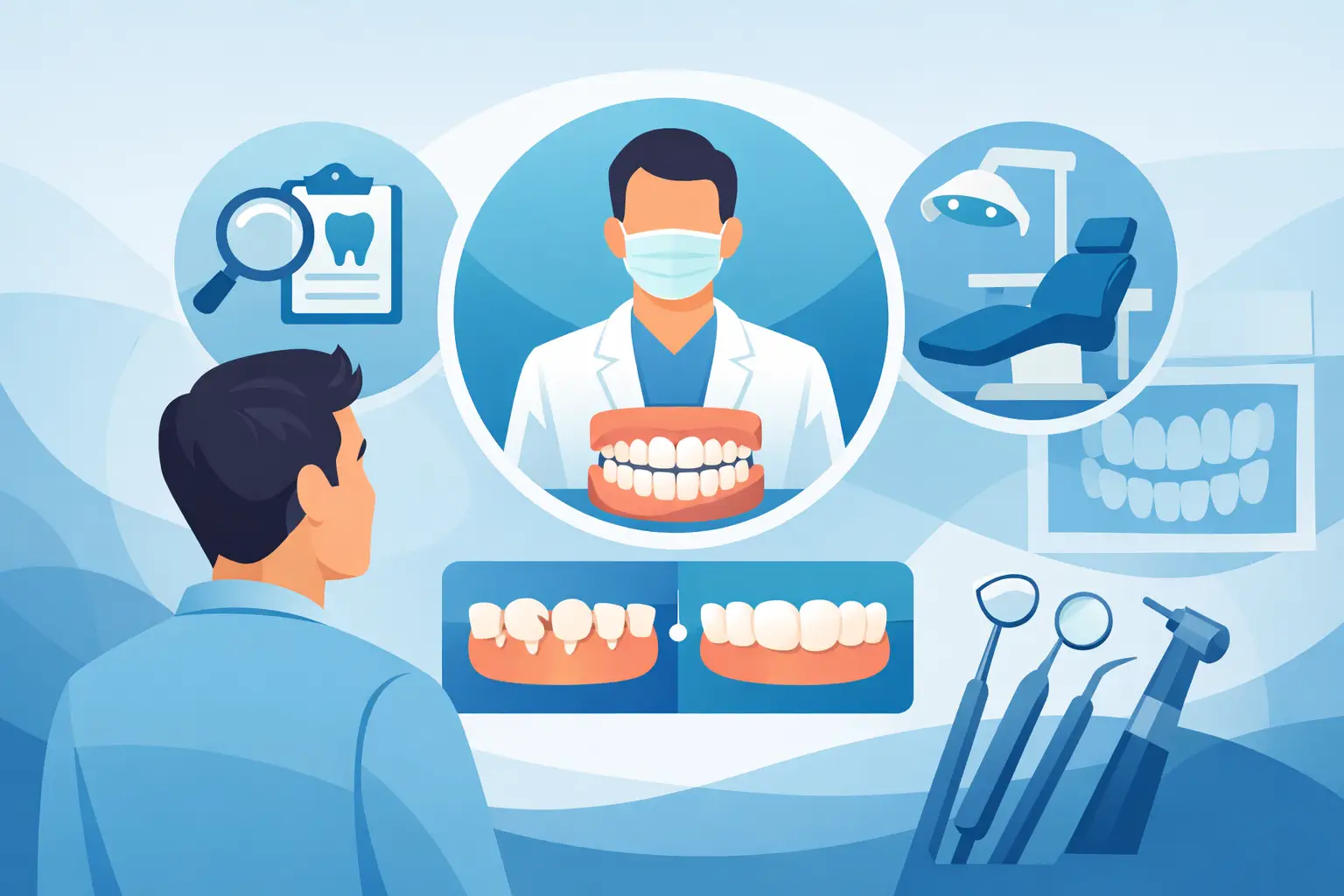
Full-mouth rehabilitation brings several areas of dentistry together to rebuild a compromised dentition. Depending on your needs, treatment may involve stabilising gum disease, replacing missing teeth with implants, repairing teeth with crowns or veneers, treating decay, improving tooth alignment, managing tooth wear and establishing a more balanced bite.
The dentist’s role is to identify the cause of the problem as well as its visible effects. For example, extensive chipping may be linked to teeth grinding, acid erosion, an uneven bite or teeth weakened by old restorations. Replacing only the chipped edges without addressing these factors can lead to further damage. A considered rehabilitation plan protects the new work and gives the mouth a more stable foundation.
Complex cases often benefit from a multidisciplinary team. A prosthodontic approach focuses on restoring function and aesthetics, while implant dentistry, oral surgery, gum treatment and general dentistry may each form part of the pathway. At Slievemore Dental, this coordinated model allows treatment decisions to be made with the whole mouth in view, rather than as a series of isolated appointments.
When Is Full-Mouth Rehabilitation Considered?
You may not need every tooth treated to benefit from full-mouth planning. The term describes the comprehensive assessment and design process, not necessarily the number of restorations. Some patients need a small number of carefully planned crowns and implant restorations; others require more extensive rebuilding across both arches.
It may be considered when teeth have been significantly worn down, when there are several missing teeth, or when old crowns, bridges and fillings are failing. It can also be appropriate for people who have struggled with a collapsed bite, recurring fractures, painful chewing, jaw fatigue or longstanding aesthetic concerns alongside functional problems.
Dental anxiety should never prevent you from seeking an assessment. Many people with complex needs have postponed care because of difficult past experiences or embarrassment about the condition of their teeth. A supportive clinician will focus on where you are now, explain each option without judgement and agree a pace that feels manageable. Urgent pain or infection is addressed first, before the wider rehabilitation plan begins.
The Assessment: Why Planning Comes Before Treatment
A high-quality rehabilitation begins with a detailed consultation. Your dentist will discuss your dental history, medical health, previous treatment, symptoms and priorities. Some patients are mainly concerned about eating comfortably again. Others want to restore the appearance of teeth that have become shorter, darker or uneven. Both concerns matter, but they can influence the order and design of treatment.
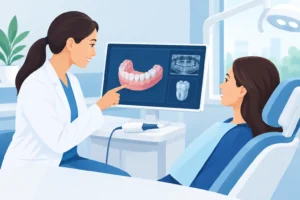
The clinical assessment typically examines the teeth, gums, bite, jaw movement and the condition of existing restorations. Digital scans, photographs and X-rays help build an accurate picture of what cannot be seen during a visual examination. Where implants or surgery are being considered, three-dimensional imaging may be needed to assess bone volume and anatomical structures safely.
Digital planning is especially valuable because it allows the proposed tooth shapes and bite position to be assessed before permanent work is made. In some cases, a trial smile or temporary restorations can be used to test appearance, speech and comfort. This is a sensible stage, not a delay. Small refinements are far easier to make in temporary materials than after final ceramic restorations have been fitted.
Looking at the bite, not just the teeth
The bite is central to long-term success. Teeth are designed to meet in a precise pattern as you close, chew and move your jaw. When this balance is disrupted by wear, missing teeth or poorly fitting restorations, excessive forces can be placed on particular teeth and joints.
Your clinician may need to establish a more suitable bite position before final crowns, bridges or veneers are created. This can involve temporary build-ups, orthodontic movement, replacement of missing teeth or a protective night guard for patients who grind or clench. There is no universal bite design. The correct approach depends on your jaw function, tooth condition and the amount of healthy structure available.
Treatments That May Form Part of Rehabilitation
A rehabilitation plan is built around what is necessary and what is predictable for you. Decay, infection and active gum disease are usually treated first. Healthy gums are essential because restorations and implants need stable supporting tissues.
Teeth that can be preserved may be rebuilt with carefully selected fillings, onlays, crowns or veneers. When a tooth is too damaged to save, extraction and replacement may be considered. Dental implants can support individual crowns, bridges or a full arch of fixed teeth, but suitability depends on bone, gum health, general health, smoking status and oral hygiene. Implants are an excellent option for many patients, but they are not automatically the right option for every space.
Orthodontic treatment may be recommended before restorative work where moving teeth would reduce the need for drilling or create better spacing for replacements. This can make the final result more conservative and easier to clean. Conversely, patients with severe wear may require restorative protection before any orthodontic movement is appropriate.
Aesthetic detail is considered throughout. Natural-looking dentistry is about proportion, translucency, surface texture and how restorations sit against the gums and lips, not simply choosing the brightest possible shade. The most convincing result should suit your features and allow you to speak and smile freely without teeth looking artificial.
How Long Does Treatment Take?
The answer depends on the condition of your mouth and the sequence needed to protect it. Some cases can be completed over several months. Others take longer because gums need to heal, implants need time to integrate with bone, orthodontic movement is required, or temporary restorations are being used to refine the bite.
While this can feel like a significant commitment, staging treatment often makes it more comfortable clinically and financially. It also gives you time to adapt and provides opportunities to review function before the final stage. Your dentist should explain which steps are essential, which are optional and what can safely be phased.
There are trade-offs to discuss openly. A faster cosmetic solution may be attractive, but it can be less conservative or less durable if underlying disease, bite forces or missing teeth have not been addressed. Equally, extensive treatment is not always necessary when a simpler, well-designed plan can meet your goals. Good advice is specific, evidence-based and clear about the expected maintenance.
Questions to Ask at Your Consultation
You should leave a consultation understanding your diagnosis in plain language and why each proposed step is being recommended. Ask what alternatives exist, how the proposed result will be tested before final fitting, who will provide specialist elements of care, and how long the treatment and healing stages are likely to take.
It is also reasonable to ask about longevity, aftercare and the costs of future maintenance. Crowns, veneers, bridges and implants can last many years when carefully planned and maintained, but no restoration is permanent. Regular hygiene appointments, routine reviews, excellent home cleaning and a night guard where indicated all help protect your investment.
A written treatment plan should set out fees, appointment stages and the anticipated timeline. If finances are a concern, ask whether treatment can be sequenced safely and whether payment-plan options are available. Clear conversations at the start help prevent surprises later.
Choosing the Right Clinical Team
Experience matters when treatment affects multiple teeth, your bite and your appearance. Look for a practice that can demonstrate comprehensive planning, uses modern diagnostic technology and has access to the clinical disciplines your case requires. Just as importantly, choose a team that listens carefully. The best plan is technically sound, but it must also reflect your priorities, health circumstances and capacity for treatment.
You do not have to arrive knowing which treatment you need. Your role is to describe what is not working, what concerns you and what you hope will change. A thoughtful full-mouth consultation turns those concerns into a clear, calm pathway towards eating, speaking and smiling with greater comfort and confidence.