A tooth extraction should become steadily more comfortable after the first couple of days. If pain instead becomes severe, throbbing and difficult to control, you may be wondering how to treat dry socket. The safest answer is to contact your dentist promptly. Dry socket can be extremely painful, but with appropriate clinical care it is usually relieved quickly and heals well.
What dry socket is and why it hurts
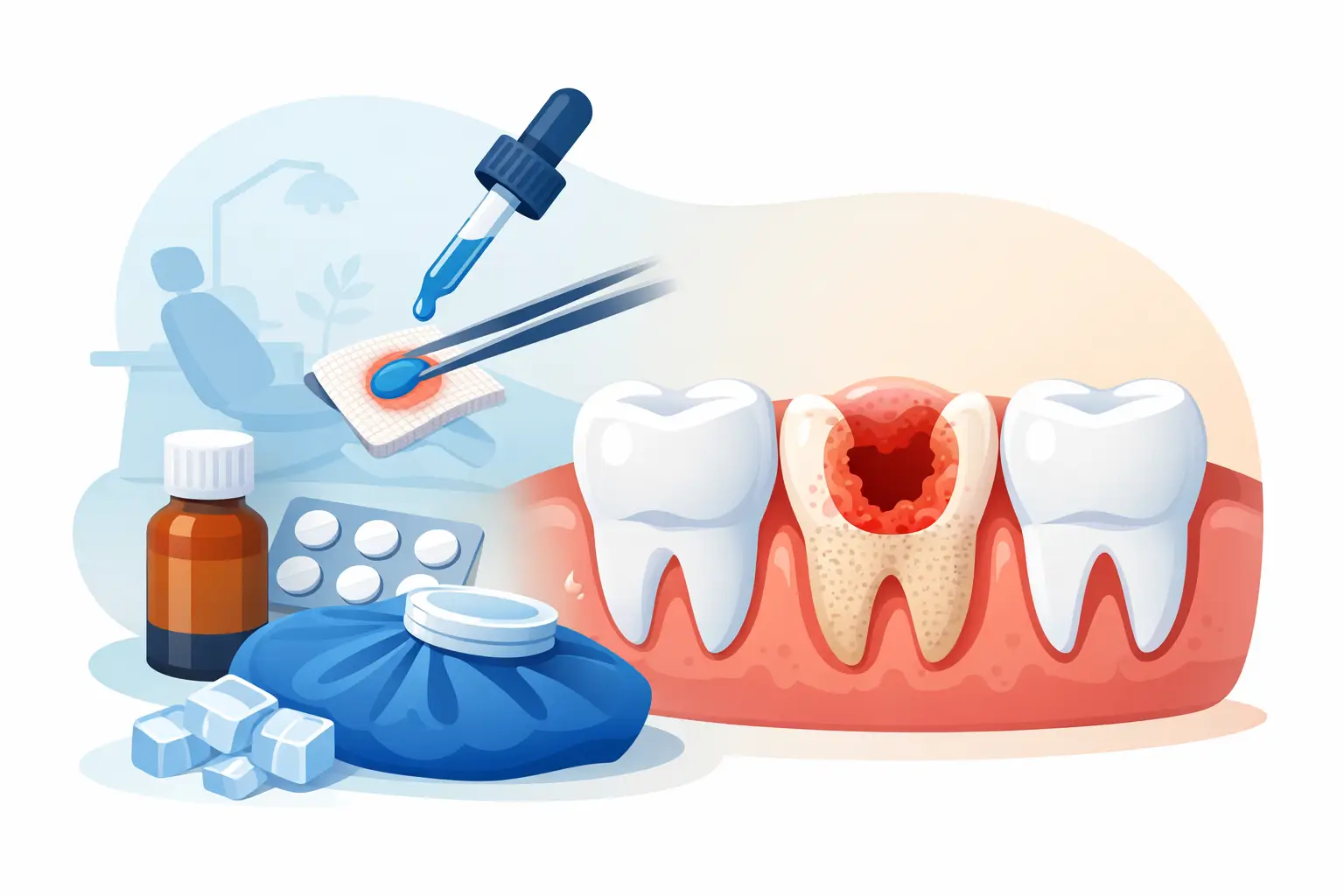
After a tooth is removed, a blood clot forms in the empty tooth socket. This clot is a natural protective layer over the bone and nerve endings while the gum begins to heal. Dry socket, clinically known as alveolar osteitis, occurs when the clot is lost too early or breaks down before healing is established.
Without that protection, the socket can leave underlying bone exposed. Pain often starts or worsens between two and five days after an extraction, rather than improving as expected. It may travel towards the ear, temple, jaw or neck on the same side. Some people also notice an unpleasant taste, bad breath or a socket that looks unusually empty.
Dry socket is not usually a sign that you have done something wrong. It is a recognised complication of extraction, and it is more common after difficult extractions and lower wisdom tooth removal. Smoking or vaping, forceful rinsing, using a straw, poor oral hygiene, some hormonal factors and a previous history of dry socket can all raise the likelihood.
How to treat dry socket: contact a dentist first
Dry socket needs professional assessment. Call the dental practice that carried out your extraction, or seek an emergency dental appointment if you cannot reach them. Explain when the tooth was removed, when the pain began and whether you have swelling, fever or difficulty swallowing.
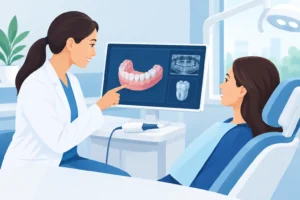
Your dentist will examine the socket carefully, check for retained food debris or other causes of pain, and assess whether there are signs of infection. Treatment commonly involves gently rinsing the area and placing a medicated dressing in the socket. This dressing protects the sensitive tissues and can provide substantial pain relief. It may need to be changed after a few days, depending on your symptoms and the clinical findings.
Pain relief may also be advised. Paracetamol or ibuprofen can be suitable for many adults when used exactly as directed on the packet or by your clinician, but they are not right for everyone. Ask a dentist or pharmacist before taking them if you are pregnant, have stomach ulcers, kidney disease, asthma affected by anti-inflammatory medicines, take blood-thinning medication or have other relevant medical conditions. Do not stop prescribed medication unless the clinician managing it tells you to do so.
Antibiotics are not routinely the treatment for dry socket. The main problem is loss of the protective clot, rather than a bacterial infection that antibiotics alone can resolve. They may be appropriate when there are clear signs of spreading infection, but your dentist will make that decision after examining you.
What you can do while waiting for your appointment
You can make the area more comfortable, but home measures should support professional treatment rather than replace it. Avoid poking into the socket with a finger, cotton bud, toothpick or any other object. Attempting to remove material yourself can irritate the tissues, introduce bacteria and delay healing.
If more than 24 hours have passed since the extraction, gently rinse with warm salt water after eating. Use a small teaspoon of salt in a glass of warm water, let it move around the mouth very gently, then allow it to fall out without forceful spitting. Keep brushing the rest of your teeth carefully, using a soft toothbrush and avoiding direct trauma to the extraction site.
Choose softer, cooler foods for a short period if chewing is uncomfortable. Drink water normally, but avoid straws, as suction can disturb healing tissue. Avoid smoking and vaping completely during recovery. Both can interfere with blood supply and healing, and the drawing action increases the risk of further clot disruption.
Do not place aspirin directly on the gum or socket. It can burn the soft tissues and make the problem worse. Similarly, avoid unproven home remedies, alcohol-based mouthwashes and vigorous rinsing. A painful socket deserves gentle care, not aggressive cleaning.
When severe extraction pain needs urgent attention
Dry socket is painful but is generally manageable with dental treatment. However, certain symptoms require urgent assessment because they may point to infection or another complication rather than dry socket alone. Seek urgent dental advice if you develop:
- increasing facial or jaw swelling
- fever, chills or feeling generally unwell
- pus, a persistent foul discharge or rapidly worsening bad taste
- difficulty opening your mouth, swallowing or breathing
Difficulty breathing or swallowing, significant swelling under the jaw or around the eye, or severe bleeding should be treated as an urgent medical emergency. Do not wait to see whether symptoms settle overnight.
What to expect after dry socket treatment
Many patients notice meaningful relief soon after the socket has been cleaned and dressed, although the area can remain tender for several days. It is normal for healing to take time. The socket gradually fills with new tissue from the base upwards, and the gum surface closes over afterwards.
Follow the aftercare instructions given by your dentist precisely. If a dressing has been placed, you may be asked to return for review or replacement. Keep the appointment even if you start to feel better, as the clinician may need to confirm that the socket is healing properly.
Try not to judge healing by appearance alone. Extraction sockets can look pale, yellowish or uneven as normal healing tissue develops. What matters more is whether pain is settling, swelling is reducing and you feel generally well. If pain returns sharply after initial improvement, contact the practice again.
Reducing the risk after a future extraction
Careful aftercare cannot remove every risk, particularly after surgical or wisdom tooth extraction, but it can make a real difference. For the first 24 hours, protect the clot by avoiding rinsing, spitting forcefully, smoking, vaping, alcohol and strenuous exercise. Eat after the numbness has worn off so you do not accidentally bite your cheek or tongue.
From the following day, keep your mouth clean with gentle salt-water rinses and careful brushing around the site. Follow the specific instructions for your extraction, especially if it involved stitches, bone removal or an impacted wisdom tooth. A clinician may tailor advice around your medical history, smoking status and the complexity of the procedure.
If you are feeling anxious about returning to the dentist because of pain or a difficult previous extraction, tell the team when you book. A calm, judgement-free consultation allows the dentist to assess the socket, explain each step and make a plan focused on comfort. At Slievemore Dental, emergency assessment and oral-surgery care are approached with the same attention to safety, gentle technique and clear communication.
A worsening extraction site is not something to endure at home. Prompt professional care can settle dry socket pain, protect healing and help you return to eating, sleeping and speaking comfortably again.