A pink tinge in the sink after brushing is easy to dismiss, particularly if it stops quickly. Yet gum bleeding causes are rarely random. In many cases, bleeding is an early signal that the gums are inflamed and need more effective professional and home care. Addressing it early can often protect the healthy bone and supporting tissues that keep your teeth stable.
Bleeding gums do not automatically mean you have a serious dental problem, and there is no need to feel embarrassed if it has been some time since your last visit. The right next step depends on how often it happens, where it occurs, whether there is pain or swelling, and your wider medical history. A careful dental assessment can identify the cause without judgement and provide a clear plan to restore gum health.
The most common gum bleeding causes
Plaque build-up and gingivitis
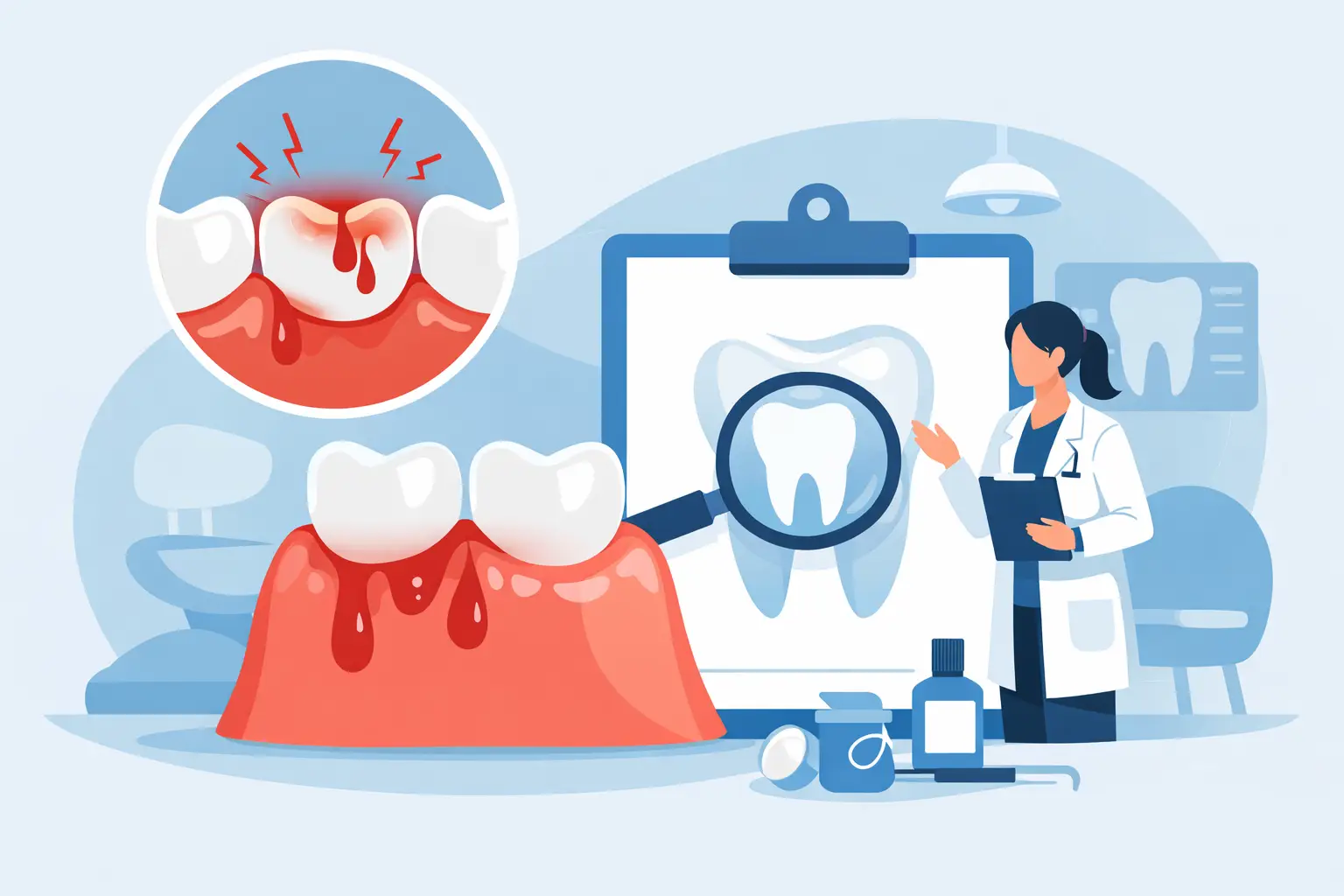
Plaque is a soft, sticky film of bacteria that forms on teeth throughout the day. If it is not removed thoroughly at the gumline, the bacteria can irritate the gum tissue. The body responds with inflammation, making gums more likely to bleed during brushing, flossing or eating firmer foods.
This early stage of gum disease is called gingivitis. You may also notice redness, puffiness, tenderness, bad breath or gums that appear less firm than usual. Gingivitis is very common, and it is usually reversible with a professional hygiene clean and consistent plaque removal at home.
Bleeding when you begin flossing is sometimes interpreted as a reason to stop. Usually, the opposite is true. It can indicate inflammation between the teeth where a toothbrush cannot reach. Gentle daily cleaning between the teeth, using floss or appropriately sized interdental brushes, often improves bleeding over several weeks. However, it should be done carefully and alongside advice from your dental team.
Periodontal disease
When inflammation remains untreated, it may progress below the gumline. Periodontal disease affects the tissues and bone supporting the teeth. Pockets can form around teeth, allowing bacteria to remain in areas that are difficult to clean at home.
Bleeding may be accompanied by persistent bad breath, receding gums, spaces developing between teeth, loose teeth or a change in how your bite feels. Periodontal disease can progress quietly, with little or no pain, which is why regular examinations matter. The extent of treatment varies. Some patients respond well to focused hygiene care and a tailored maintenance programme, while more advanced cases require deeper cleaning and careful monitoring to stabilise the condition.
Brushing technique, flossing and local irritation
A hard-bristled brush, excessive pressure or sawing aggressively with floss can irritate delicate gum tissue. This may cause occasional bleeding in a specific area. A soft toothbrush and small, controlled movements along the gumline are normally more effective than scrubbing.
Local factors can also make cleaning difficult. Tartar, overhanging restoration edges, crowded teeth, a broken filling, or a poorly fitting denture can trap plaque and inflame a small area of gum. Dental appliances and orthodontic treatment require especially attentive cleaning, but they should not cause ongoing bleeding when the gums are healthy and the fit is appropriate.
Hormonal changes
Hormonal changes can increase the gums’ response to plaque. Some people notice bleeding or swelling around puberty, during pregnancy, with certain contraceptives or during menopause. Pregnancy-related gum inflammation is common, but it still benefits from professional assessment and hygiene guidance.
The key point is that hormones can make gums more sensitive, not that bleeding should simply be accepted. Maintaining regular dental and hygiene care during these periods helps keep inflammation under control.
Smoking and vaping
Smoking is a significant risk factor for gum disease and can reduce the body’s ability to heal. One complication is that smoking may mask visible bleeding by reducing blood flow to the gums. A smoker can therefore have significant gum disease without the warning sign of frequent bleeding.
Vaping may also contribute to dry mouth and gum irritation for some people, although its long-term effects on periodontal health continue to be researched. If you smoke or vape, tell your dentist so that risk factors can be considered as part of a preventive plan.
Medicines and dry mouth
Some medicines can make bleeding more noticeable, including anticoagulants and antiplatelet medicines prescribed to reduce blood clotting. These medicines do not usually create gum disease, but they can make bleeding from already inflamed gums seem heavier or last longer. Never stop prescribed medication because of gum bleeding without speaking to the clinician who prescribed it.
Other medicines may reduce saliva flow. Saliva helps protect the mouth by washing away food debris and buffering acids. A dry mouth can increase plaque accumulation, tooth decay and gum irritation. Your dentist can review your symptoms, medication list and practical options for protecting your oral health.
General health conditions and nutritional factors
Poorly controlled diabetes can increase the risk and severity of gum disease, while active gum inflammation can make blood glucose management more difficult. This relationship makes routine dental care particularly valuable for people living with diabetes.
Less commonly, frequent or unexplained bleeding can be associated with blood disorders, clotting problems, immune conditions or nutritional deficiency. Vitamin C deficiency, for example, can affect gum health, although it is not a common explanation for most cases in the UK and Ireland. A dentist may recommend that you speak with your GP if your oral findings and medical history suggest a wider health concern.
When bleeding gums need prompt attention
Book a dental appointment if your gums bleed repeatedly, if bleeding continues after improving your cleaning routine for a couple of weeks, or if you have not had an examination recently. A dentist can check for gum pockets, tartar deposits, decay, poorly fitting restorations and other local causes that cannot be resolved by brushing alone.
Seek prompt professional advice if bleeding is heavy, does not settle, or occurs alongside signs such as:
- swollen gums, facial swelling, pus, severe pain or a bad taste;
- a loose tooth, gum recession or a noticeable change in your bite;
- ulcers or red and white patches that do not heal within three weeks;
- easy bruising, nosebleeds, unusual tiredness or bleeding elsewhere in the body.
If facial swelling affects breathing or swallowing, seek urgent medical help immediately. For dental pain, swelling or infection that needs same-day assessment, an emergency dental appointment is often the safest route.
What a dental assessment involves
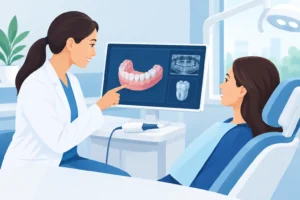
A thorough gum assessment is calm, methodical and usually straightforward. Your dentist or hygienist will ask about your symptoms, home-care routine, smoking or vaping, medications and relevant medical conditions. They will examine the gums and teeth, assess areas that retain plaque, and may measure the space between the gum and tooth. Dental radiographs may be recommended when bone support needs to be assessed.
This information allows treatment to be tailored rather than guessed. For simple gingivitis, professional cleaning and precise advice on brushing and interdental cleaning may be enough. Where gum disease is more established, a structured periodontal plan may involve deeper cleaning, review appointments and ongoing maintenance. The goal is not only to stop visible bleeding, but to create a stable environment around every tooth.
Protecting your gums between appointments
Twice-daily brushing with a fluoride toothpaste, using a soft brush and a gentle technique, is the foundation. Clean between the teeth once a day with the method recommended for your spaces and gum condition. It may take time for inflamed gums to settle, so consistency matters more than force.
Avoid using mouthwash as a substitute for mechanical cleaning. Some products can be useful for short, clinician-directed periods, but brushing and interdental cleaning remove the plaque that drives most gum inflammation. A balanced diet, good hydration and reduced tobacco exposure also support the healing process.
At Slievemore Dental, patients with bleeding gums are assessed with the same care whether the issue is recent, longstanding or linked to more complex restorative needs. Early attention is often the gentlest option: a small sign in the sink can be the opportunity to protect your smile, comfort and long-term oral health.