A crown should do more than cover a damaged tooth. It needs to restore comfortable chewing, support your bite, blend with neighbouring teeth and protect the remaining tooth structure for the long term. A zirconia crown comparison is useful because zirconia is not one single product: its strength, translucency and aesthetic character vary between designs. The right choice depends on where the crown sits, how you bite, how much healthy tooth remains and what you want your smile to look like.
Why zirconia is widely used for dental crowns
Zirconia is a high-strength ceramic used in modern restorative dentistry. Unlike traditional porcelain-fused-to-metal crowns, it contains no metal substructure, so there is no risk of a dark line becoming visible at the gum margin as tissues naturally change over time. It is also biocompatible, making it a well-established option for many patients with sensitivities to certain metals.
Its principal advantage is resilience. Zirconia performs particularly well in areas exposed to substantial chewing forces, such as molars, and can be an excellent choice for people who clench or grind their teeth. With careful planning, precise preparation and a well-managed bite, it can offer a durable restoration without compromising on a natural appearance.
That said, the strongest zirconia is not always the most lifelike-looking zirconia. The material has evolved considerably, and choosing a crown involves balancing strength with the level of light transmission needed for a convincing result.
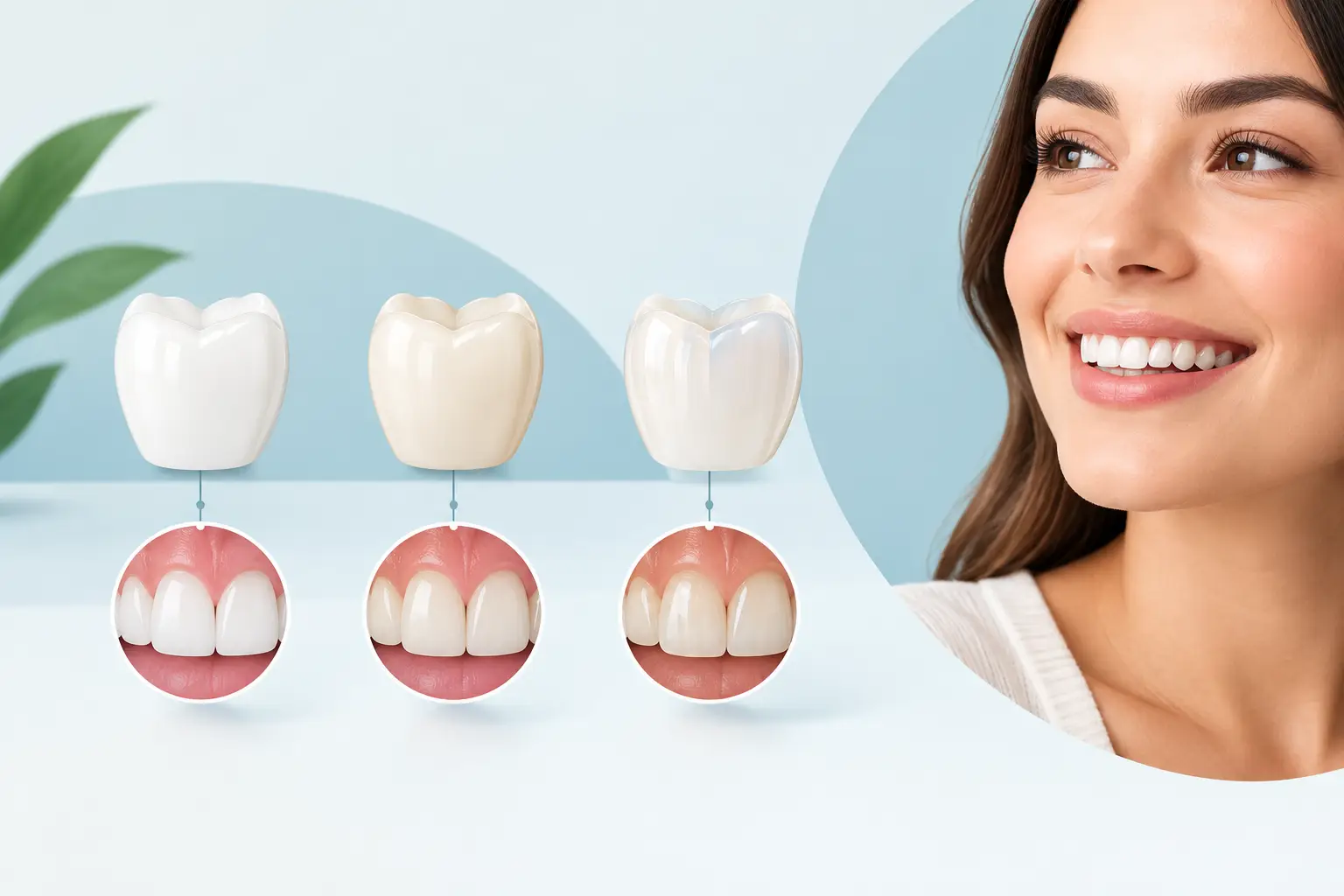
Zirconia crown comparison: the main options
Monolithic zirconia
A monolithic zirconia crown is milled from a single solid block of zirconia. It is exceptionally strong and is often recommended for back teeth, where function matters most and crowns experience the greatest bite pressure. Because there is no porcelain layer over the zirconia framework, there is less risk of chipping of the outer ceramic.
Earlier forms of monolithic zirconia could look relatively opaque. Contemporary materials come in improved shades and multi-layered colour gradients, allowing a more natural transition from the gum area to the biting edge. Even so, for a highly visible front tooth with very translucent neighbouring enamel, a solid zirconia crown may not always be the first aesthetic choice.
Monolithic zirconia can also allow for a more conservative preparation in appropriate cases. Preserving healthy tooth tissue is always a priority, although the required reduction is determined by the crown design, bite relationship and condition of the underlying tooth rather than material alone.
High-translucency zirconia
High-translucency zirconia has been developed to allow more light to pass through the restoration. This reduces the opaque appearance associated with older zirconia and makes it better suited to teeth that show when you smile, particularly premolars and selected front teeth.
The trade-off is that increased translucency can reduce the material’s ultimate strength compared with the strongest monolithic zirconias. This does not make it unsuitable or fragile. It simply means your dentist will assess forces carefully, especially if you have a deep bite, a history of grinding or a heavily damaged tooth that needs maximum protection.
High-translucency zirconia can be an excellent middle ground for patients seeking a metal-free crown that combines a convincing appearance with dependable strength. It is often selected where a visible tooth needs both aesthetic refinement and meaningful functional support.
Layered zirconia
A layered zirconia crown uses a strong zirconia core with aesthetic porcelain carefully added to its visible surface. This approach gives the ceramist more control over fine detail, including surface texture, translucency, colour variation and the subtle brightness seen in natural enamel. For a single front crown, these details can be significant.
The compromise is that the porcelain veneer layer can be more susceptible to chipping than solid zirconia, particularly in patients who grind their teeth or load their front teeth heavily. A protective night guard may be advised where clenching or grinding is present. Layered zirconia remains a valuable option, but it should be chosen for the right clinical setting rather than simply because it can look beautiful.
How zirconia compares with other crown materials
Zirconia is not automatically the best answer for every tooth. Lithium disilicate, often known by the brand name e.max, is another all-ceramic material frequently used for highly aesthetic crowns, veneers and bonded restorations. It has excellent translucency and can reproduce the glass-like depth of natural enamel, especially in the front of the mouth.
Where there is sufficient tooth structure and the bite is favourable, lithium disilicate may be preferable for a front tooth that demands exceptional light transmission. Zirconia may be more suitable when strength is a greater concern, such as a back tooth, a bridge, an implant crown or a patient with significant bite forces. The choice is clinical, not a competition between materials.
Porcelain-fused-to-metal crowns remain serviceable in certain situations, particularly where strength and long-term evidence are priorities. However, the metal coping can limit translucency and may create a grey shadow at the gum line. For patients seeking a metal-free restoration with a more natural aesthetic, zirconia is often the more attractive alternative.
Gold crowns are exceptionally durable and kind to opposing teeth, but their appearance means they are normally reserved for less visible positions. They may still be considered for selected molars, particularly where conservation and longevity outweigh cosmetic preferences.
Fit, bite and digital planning matter as much as material
A crown can be made from an excellent material and still fail prematurely if it does not fit accurately or if the bite is not properly adjusted. Poor margins may allow bacteria to enter beneath the crown, while excessive bite pressure can contribute to discomfort, fracture or damage to the opposing tooth.
Modern digital workflows can improve precision at every stage. Digital scans avoid the discomfort some patients associate with conventional impressions and allow the clinical team to assess crown contours, contacts and bite relationships in detail. The crown is then designed to support gum health and function as well as appearance.
Before fitting a zirconia crown, your dentist should also assess the health of the tooth underneath. Decay, cracks, gum inflammation and infection need to be addressed first. If a tooth has had root canal treatment or has lost a large amount of structure, the restoration may need additional planning to ensure it is properly supported.
The questions that shape the right choice
Rather than asking whether zirconia is better in general, it is more helpful to ask what your individual tooth needs. A crown for a lower molar has different demands from one placed on an upper front tooth. A crown on a dental implant requires a different approach again, as implants do not have the same natural cushioning as teeth.
Your dentist will consider the tooth position, available space, shade of surrounding teeth, gum line, bite pattern and any habits such as clenching. They will also look at whether you want to brighten your natural teeth. If whitening is planned, it should usually take place before the final crown shade is selected, because ceramic crowns do not whiten in the same way as enamel.
For nervous patients, a clear plan can make the process feel much more manageable. You should know why a particular material has been recommended, how the tooth will be prepared, whether you will have a temporary crown and how your comfort will be supported throughout treatment.
Caring for a zirconia crown
Zirconia does not decay, but the natural tooth and gum around it still can. Brush twice daily with fluoride toothpaste, clean between teeth every day and attend routine examinations and hygiene appointments. These habits protect the crown margin, where plaque accumulation can otherwise lead to decay or gum disease.
Avoid using crowned teeth to open packaging or bite very hard objects. If you grind your teeth, wearing a professionally made night guard can help protect both the crown and your remaining natural dentition. Contact your dentist promptly if a crown feels high, becomes loose, chips or causes persistent sensitivity.
At Slievemore Dental, crown material is selected as part of a wider restorative plan, with careful attention to tooth health, bite stability and natural aesthetics. The most reassuring choice is one that has been designed around your mouth, not simply chosen from a list of materials.
A well-planned zirconia crown should feel comfortable enough to forget about while giving you confidence to eat, speak and smile naturally. A detailed consultation is the right place to establish which balance of strength and beauty will serve your tooth best.