A throbbing toothache that keeps you awake, swelling along the gum, or a sudden unpleasant taste in the mouth can signal more than an ordinary dental problem. Understanding what causes dental abscesses helps you act early, protect the affected tooth where possible, and avoid a painful infection becoming more serious.
A dental abscess needs prompt professional assessment. The pain may ease if the abscess drains, but the infection has not necessarily gone away. With calm, timely treatment, dentists can relieve discomfort, identify the source precisely and plan the most appropriate way to restore your oral health.
What causes dental abscesses?
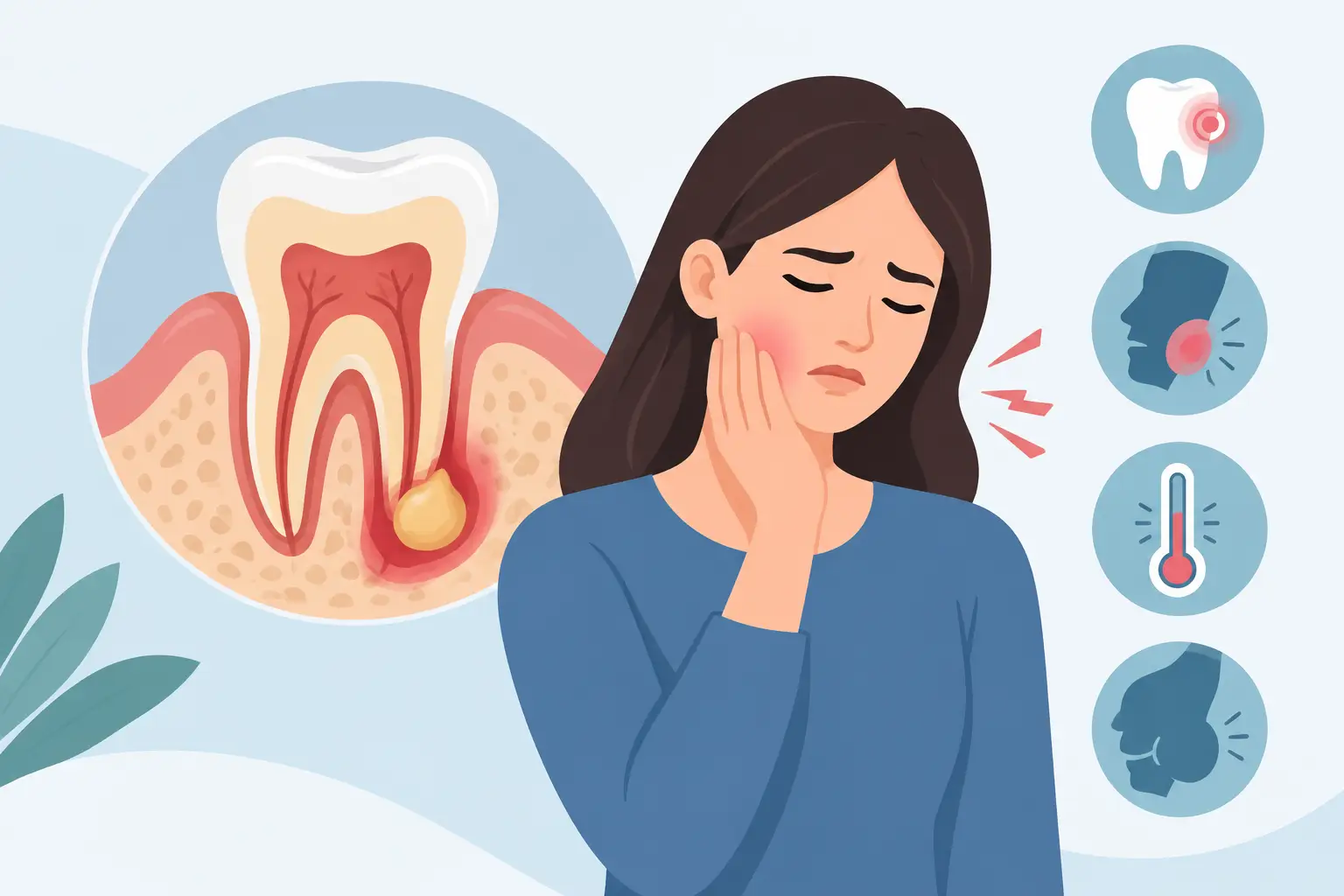
A dental abscess is a collection of pus caused by a bacterial infection. It develops when bacteria enter parts of the tooth or gum tissues that should be sealed and protected. Your immune system responds to the infection, leading to inflammation, pressure and the build-up of pus.
There are two main types. A periapical abscess begins inside a tooth, usually after bacteria reach the dental pulp, which contains the tooth’s nerve and blood supply. An periodontal abscess begins in the supporting gum and bone tissues around a tooth. Both can cause significant pain and swelling, but their treatment can differ, which is why an accurate diagnosis matters.
Deep decay and an infected tooth nerve
Tooth decay is one of the most common routes to an abscess. When decay is left untreated, it can move through the outer enamel and inner dentine towards the pulp. Once bacteria reach the nerve, the pulp may become inflamed, infected and eventually die. Infection can then travel through the root tip into the surrounding jawbone, creating a periapical abscess.
Not every cavity becomes an abscess. The risk depends on how deep the decay is, how quickly it progresses and whether it receives treatment. Early decay can often be managed with a filling before it reaches the nerve, which is one reason routine examinations are so valuable even when a tooth is not painful.
Cracks, fractures and leaking restorations
Bacteria do not only enter through visible decay. A crack in a tooth, a broken cusp, or a chipped filling can create a pathway into the inner tooth. Cracks can be difficult to spot, particularly when they are fine or hidden below the gumline. They may cause pain on biting, sensitivity to temperature, or no obvious symptoms at all until infection develops.
Older fillings and crowns can also lose their seal over time. This does not mean a restoration has failed simply because it is old, but it does mean regular monitoring is sensible. If bacteria enter beneath a restoration, decay may progress unnoticed until the tooth becomes painful or infected.
Advanced gum disease
Periodontal disease affects the gums, bone and ligaments that hold teeth in place. As gum disease progresses, spaces called periodontal pockets can form between the tooth and gum. Plaque and bacteria can collect deep within these pockets, and drainage may become blocked. This can result in a periodontal abscess, often causing localised gum swelling, tenderness and pain when biting.
People with existing gum disease can sometimes experience repeated abscesses around the same area. Effective treatment may involve draining the infection, deep cleaning beneath the gums and a tailored maintenance plan. Where a tooth has severe bone loss or a complex root shape, the options need careful consideration to achieve a predictable long-term result.
Previous dental infection or incomplete treatment
A tooth that has had root canal treatment can occasionally develop a new infection. This may happen if the original infection was particularly complex, if a canal was difficult to access, or if bacteria later entered through a crack or an imperfect restoration. Modern imaging and digital planning can help assess these cases, but the right approach depends on the tooth’s condition, the quality of its remaining structure and the health of the surrounding bone.
In some cases, root canal retreatment can preserve the tooth. In others, extraction and replacement with an implant, bridge or another suitable option may offer the better long-term outlook. A careful assessment should focus on function, comfort and prognosis, not simply on treating the immediate pain.
Factors that can increase the risk
An abscess is caused by bacteria, but several factors can make it easier for bacteria to gain a foothold or make infection harder for the body to control. Poor plaque removal and frequent sugary snacks or drinks raise the likelihood of decay and gum disease. Dry mouth can also increase risk because saliva helps rinse away food debris and neutralise acids.
Smoking is strongly associated with gum disease and can mask early signs such as bleeding gums. Conditions or medicines that affect immune function may also mean infections progress more quickly or require closer medical and dental coordination. A history of trauma matters too: a tooth that was knocked years ago can gradually lose vitality and later develop an abscess, even if it initially looked unaffected.
Dental anxiety can indirectly contribute when it leads someone to delay appointments until pain becomes unbearable. There is no judgement in that situation. For many patients, a gentle discussion, clear explanations and treatment paced around their comfort can make it far easier to return to regular care.
Symptoms that need urgent attention
Dental abscess symptoms vary. Some people experience an intense, pulsating ache, while others first notice pressure, a swollen gum or a small pimple-like area that releases fluid. Sensitivity to hot or cold, pain on chewing, a loose feeling tooth, bad breath and a foul taste can all occur.
Swelling in the face or jaw, fever, feeling generally unwell, or tender glands in the neck can suggest that infection is spreading. Seek urgent dental advice on the same day if you have these symptoms. Go to emergency medical care immediately if swelling affects your eye area, breathing, swallowing or your ability to open your mouth normally. These signs require prompt assessment.
Do not place aspirin directly on the gum or tooth. It can burn the soft tissues and will not treat the infection. Pain relief may help you manage symptoms temporarily if it is suitable for you, but it cannot remove the cause. Antibiotics are not always needed for a localised dental abscess and, when prescribed, are usually an addition to dental treatment rather than a replacement for it.
How a dental abscess is treated
The priority is to drain the infection where necessary and remove the source of bacteria. Your dentist will examine the tooth and surrounding gums, assess your bite and may take dental X-rays to see the roots and bone in detail. This allows the treatment to be matched to the cause rather than relying on symptoms alone.
For an infection inside a tooth, root canal treatment may be used to clean and disinfect the root canals, followed by a secure restoration. If the tooth cannot be predictably saved, extraction may be recommended. A gum abscess may require drainage and periodontal treatment to clean the infected pocket. Sometimes both tooth and gum factors are involved, particularly in a damaged tooth with existing gum disease.
Treatment is carried out with appropriate local anaesthetic and a focus on keeping you comfortable. If you are nervous, say so from the outset. Knowing what will happen, having time to ask questions and agreeing simple signals for breaks can make emergency treatment feel much more manageable.
Reducing the chance of another abscess
The most effective prevention is unglamorous but powerful: attend regular examinations and hygiene visits, brush twice daily with fluoride toothpaste, clean between your teeth every day and address decay, cracked teeth and bleeding gums early. Limit frequent sugar exposure rather than only focusing on the amount eaten at one time, and discuss dry mouth or ongoing sensitivity with your dentist.
If you have had an abscess before, keep the follow-up appointments recommended for that tooth or area. A well-restored tooth and stable gum health give treatment the best chance of lasting well.
Tooth pain is never something you should have to simply endure. Prompt, compassionate care can turn an alarming infection into a clear treatment plan and help you return to eating, speaking and smiling with confidence.