What a dental bite problem means
A guide to dental bite problems starts with a simple idea: your bite is the way your upper and lower teeth meet when you close your mouth, chew and speak. When that relationship is unbalanced, the effects can be subtle at first. A tooth may chip repeatedly, a jaw may feel tired after meals, or a new crown may feel slightly too high.
A bite concern is not always visible, and it does not always cause pain. Some people have naturally irregular bites without discomfort or damage. The question is whether the bite is contributing to symptoms, tooth wear, instability or difficulty using the teeth comfortably. A careful assessment looks beyond appearances to understand how the teeth, jaw joints, muscles and restorations are working together.
Signs that your bite may need attention
It is sensible to arrange a dental assessment if your teeth do not seem to meet comfortably or if a change has developed over time. Common signs include jaw soreness or fatigue, headaches around the temples, clicking or tenderness in the jaw joint, and difficulty chewing particular foods.
Teeth can also provide important clues. Flattened biting edges, cracks, recurring chips, loose fillings and sensitivity may indicate that excessive or uneven force is being placed on them. You may notice that one tooth meets before the others, that your teeth have shifted, or that you are avoiding chewing on one side.
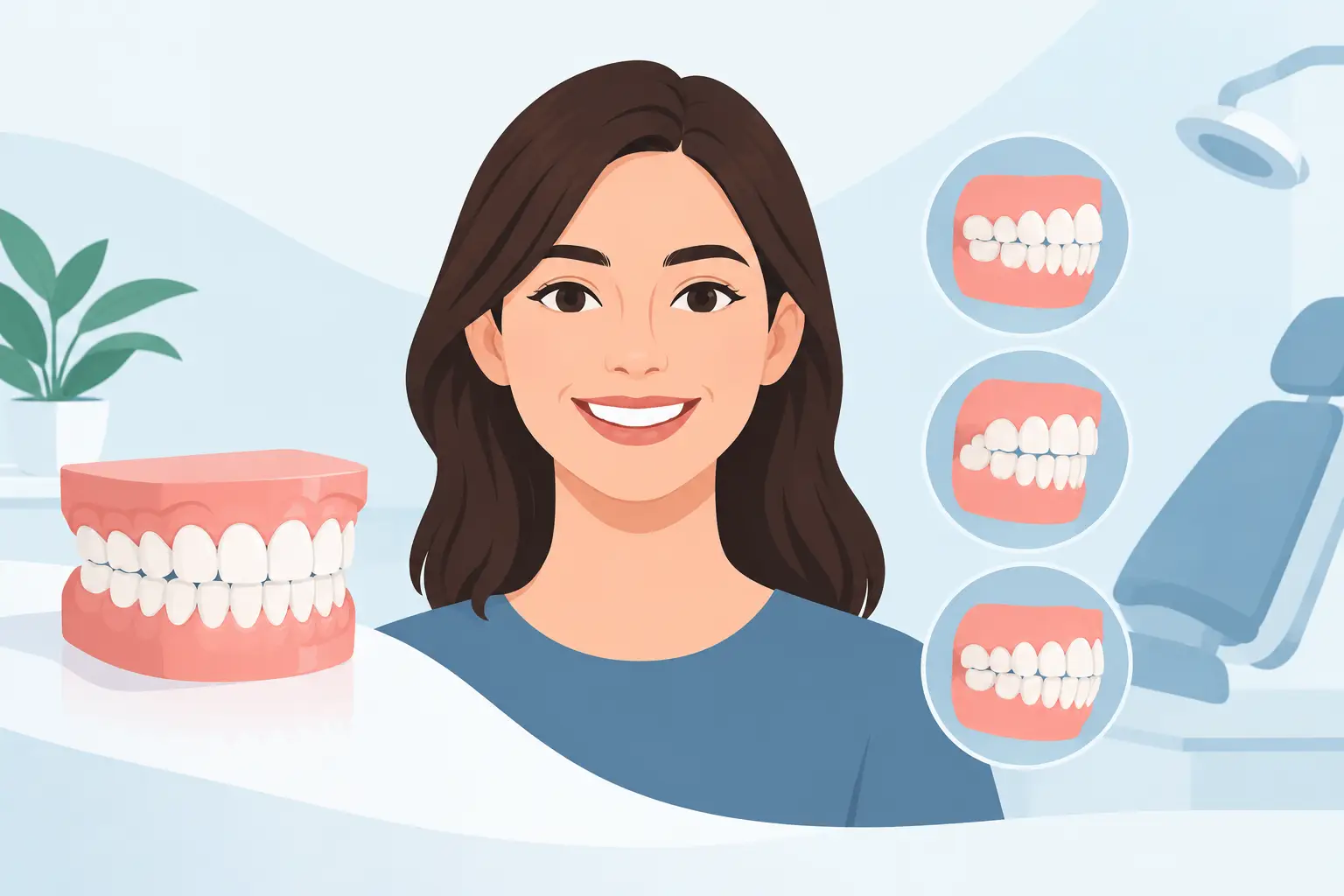
For some patients, the main concern is appearance. An open bite can leave a gap between the front teeth when the back teeth are together. A deep bite can cause the upper front teeth to overlap the lowers excessively. Crossbites, crowding, spacing and prominent front teeth may affect confidence as well as function. These concerns deserve an individual assessment rather than a one-size-fits-all solution.
Why bite problems develop
Bite problems can be present from childhood, often because of jaw growth, tooth size or the way adult teeth emerge. Orthodontic treatment may be appropriate where the position of teeth or the relationship between the jaws is the principal issue. For children, regular reviews help identify changes while growth is still taking place.
In adults, a bite can change for several reasons. Teeth may drift after tooth loss. Worn, broken or heavily restored teeth can reduce the height and support of the bite. Gum disease can allow teeth to become mobile or move position. Grinding or clenching, particularly during sleep, can place substantial force on teeth and restorations.
A recent filling, crown or denture can sometimes feel high if the contacts need refining. This usually has a straightforward solution, but it should not be ignored. Continuing to bite heavily on one tooth can cause sensitivity, pain or damage. Equally, adjusting teeth without a proper diagnosis can create a new imbalance, which is why the cause matters as much as the symptom.
A guide to dental bite problems: how diagnosis works
A high-quality bite assessment is detailed but should feel calm and unhurried. Your dentist will discuss your symptoms, previous dental treatment, general health and any habits such as clenching, nail biting or chewing pens. They will examine the teeth, gums, muscles and jaw joints, checking how the teeth contact during normal closure and jaw movements.
Photographs, digital scans and X-rays may be used where clinically appropriate. These records can show wear patterns, cracks, changes in tooth position and the condition of teeth beneath older restorations. Digital planning is particularly valuable for complex treatment because it allows the clinical team to assess the planned bite before permanent work is made.
If jaw-joint symptoms are present, the assessment may also consider temporomandibular disorders, often shortened to TMD. Jaw clicking alone is common and does not always require treatment. Pain, restricted opening, locking or a change in the way the teeth meet warrants a more focused review.
At Slievemore Dental, multidisciplinary planning can bring together general, restorative, orthodontic, prosthodontic and surgical perspectives when a bite problem is linked to multiple failing teeth, tooth loss or extensive wear. This coordinated approach is especially useful when treatment needs to improve health, function and aesthetics at the same time.
Treatment depends on the cause
The right treatment is based on what is driving the problem, how much damage is present and what outcome matters most to you. Not every uneven bite needs extensive dentistry. Where a newly placed restoration is the only issue, a small, precise adjustment may be all that is needed.
For clenching or grinding, a custom-made night guard may help protect teeth and restorations from further wear. It does not necessarily stop the habit, but it can distribute forces more safely. Stress, sleep quality and certain medications can also play a role, so your dentist may advise speaking with your GP where appropriate.
Orthodontic treatment can move teeth into a more favourable position when crowding, spacing, crossbite, open bite or relapse after earlier braces is contributing to the concern. Clear aligners and fixed braces each have advantages. The best option depends on the movements required, gum health, the condition of existing restorations and how reliably the appliance can be worn or maintained.
When teeth are worn, fractured or heavily restored, restorative dentistry may be needed to rebuild the biting surfaces. This can involve carefully planned composite bonding, ceramic onlays, crowns or veneers, depending on the amount of healthy tooth structure remaining and the aesthetic goal. Conservative options are usually considered first, but a severely compromised tooth may need more comprehensive protection.
Where several teeth have failed or are missing, full-mouth rehabilitation can restore a stable, functional bite. Treatment may include crowns, bridges, implants or removable prostheses. In complex cases, temporary restorations can allow the proposed bite position to be tested before final restorations are fitted. This staged approach takes longer, but it offers valuable reassurance that speech, comfort and appearance are right before committing to definitive work.
When a bite concern needs urgent care
Contact a dentist promptly if you have sudden severe pain when biting, a cracked or fractured tooth, facial swelling, trauma, a jaw that has locked, or a new bite change following an injury. These symptoms may indicate infection, tooth damage or joint injury and should be assessed without delay.
A lost filling or crown can also alter how your teeth meet. Avoid chewing hard foods on that side and seek advice as soon as possible. Temporary pharmacy products may help cover a sharp edge, but they are not a substitute for professional assessment.
Protecting your bite after treatment
Long-term results depend on regular reviews, effective home cleaning and addressing habits that place excess pressure on teeth. Retainers are essential after orthodontic treatment because teeth can continue to move throughout life. If you grind your teeth, wearing the prescribed guard consistently is just as important as having it made.
Dental restorations are strong, but they are not indestructible. Avoid using teeth to open packaging, and mention any new tightness, roughness, sensitivity or chipping at an early stage. Small changes can often be managed conservatively before they develop into a larger problem.
If your bite no longer feels natural, you do not need to wait for significant pain or damage before seeking advice. A considered assessment can clarify what is happening, what can be monitored and which treatment, if any, will help you eat, speak and smile with greater comfort and confidence.