A tooth can break during lunch, a crown can loosen before an important meeting, or a child can fall while playing sport. In emergency tooth repair cases, the first few minutes can affect comfort, appearance and, in some injuries, whether the natural tooth can be saved. The priority is not to diagnose the problem at home. It is to protect the area, manage pain safely and arrange a prompt dental assessment.
A calm response makes a real difference. Dental emergencies are common, and they are treated without judgement. Even if a tooth has been damaged for some time, or anxiety has delayed an appointment, the focus is on relieving discomfort and finding the most appropriate way forward.
Which tooth problems need urgent care?
Not every dental concern requires treatment on the same day, but pain, trauma and swelling should never be ignored. A severe toothache may indicate deep decay, an inflamed nerve, a crack, gum infection or an abscess. A chipped tooth may be straightforward to restore, but a larger fracture can expose the sensitive inner layers of the tooth and become increasingly painful.
Urgent assessment is advisable for a knocked-out, loose or displaced adult tooth; a broken tooth with sharp edges or significant pain; a lost filling, crown or veneer causing sensitivity; bleeding that does not settle after dental trauma; a painful swelling of the gum or face; or a dental appliance causing injury to soft tissues.
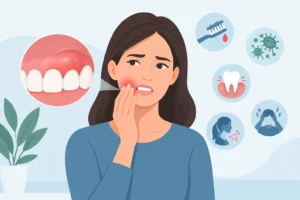
Swelling around the jaw, cheek or eye deserves particular attention. If swelling is spreading quickly, or is accompanied by difficulty breathing, swallowing or opening the mouth, seek emergency medical help immediately through 112 or 999, or attend A&E. A dental infection can occasionally spread beyond the tooth and needs urgent medical assessment.
Emergency tooth repair cases: the right first aid
The best first-aid measure depends on what has happened. Avoid using household glue, attempting to force a loose restoration back into place, or placing aspirin directly on the gum. These approaches can damage soft tissue, complicate treatment and delay proper relief.
A chipped or broken tooth
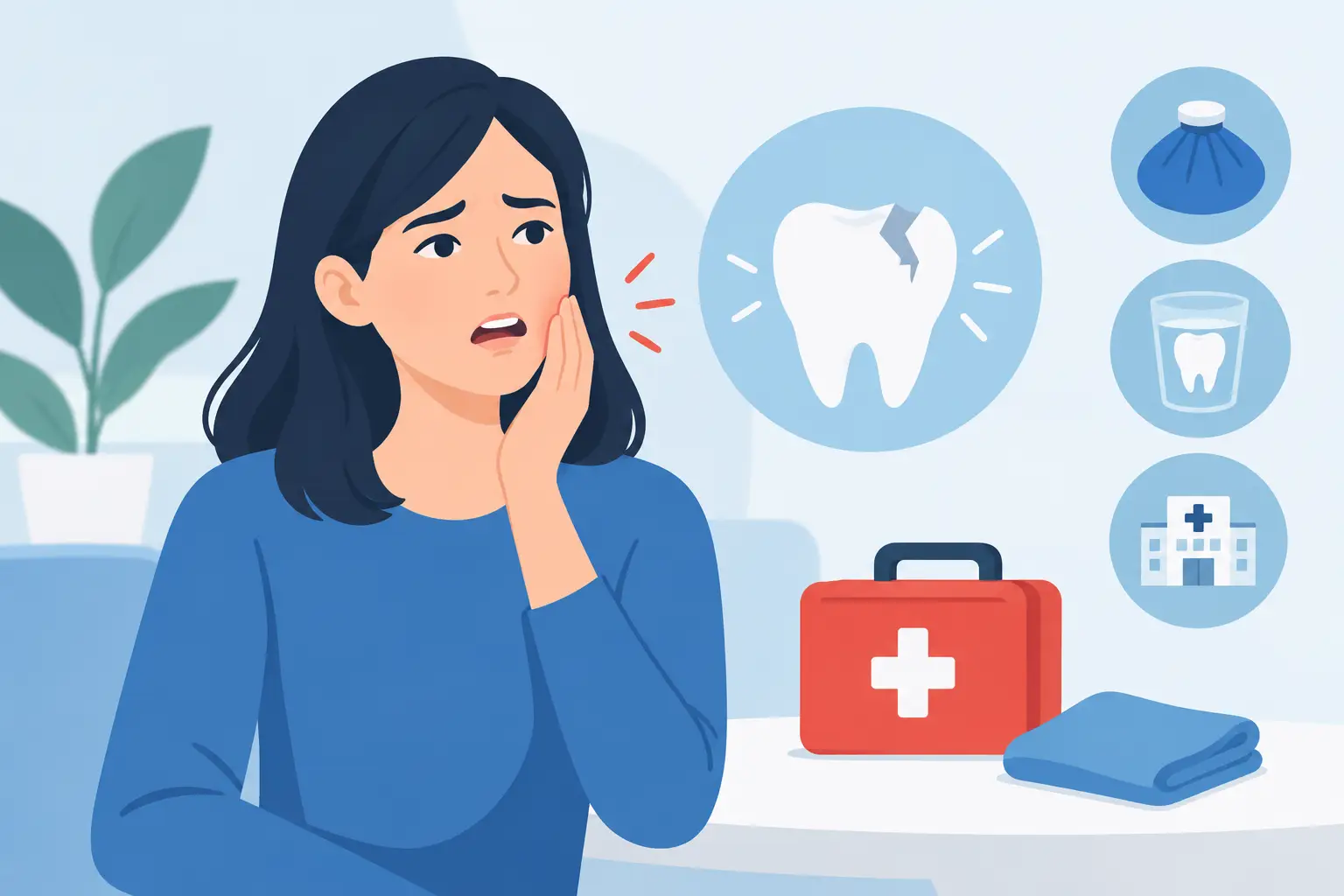
Rinse gently with lukewarm water and keep any pieces of tooth you can find. Store fragments in milk or saliva in a clean container if possible, as a dentist may be able to bond a suitable fragment back into position. Apply a cold compress to the outside of the face for short periods if there is swelling.
Avoid biting on the affected side and cover a sharp edge with dental wax if it is rubbing the tongue or cheek. A dentist will assess how deeply the fracture extends. Small chips may be rebuilt with tooth-coloured composite, while more extensive damage may require a ceramic restoration, crown or root canal treatment before the tooth can be protected long term.
A knocked-out adult tooth
A permanent tooth that has been completely knocked out is time-sensitive. Hold it by the crown, the visible chewing portion, rather than the root. If it is dirty, rinse it briefly in milk or saline. Do not scrub it, scrape the root or wrap it in tissue.
If you feel confident and the person is conscious, reinsert the tooth gently into its socket and ask them to bite carefully on clean gauze or a folded cloth. If this is not possible, keep it moist in cold milk. A tooth preservation kit is also suitable where available. Seek dental care immediately, ideally within an hour.
Do not try to reinsert a baby tooth. This can damage the developing adult tooth underneath. A child should still be assessed promptly, especially after a significant fall or impact, as adjacent teeth and supporting bone may have been injured.
A lost crown, filling or veneer
A lost restoration can leave a tooth exposed to temperature changes and pressure. Keep the crown or veneer safe and bring it to the appointment. It may sometimes be possible to recement it, although this depends on the fit, the condition of the tooth and whether there is decay or fracture beneath it.
In the meantime, keep the area clean and avoid sticky foods, hard foods and chewing on that side. Temporary dental repair material from a pharmacy may offer short-term protection for a lost filling, but it is not a substitute for assessment. A crown that has come away can be a sign that the supporting tooth has changed underneath.
Severe toothache or suspected infection
Rinse with warm salty water and clean gently around the tooth to remove trapped food. Pain relief may be appropriate if you can take it safely, following the dosage instructions on the packet and any advice from your pharmacist or doctor. Do not place painkillers against the gum.
Antibiotics are not a cure for most toothache. Where an infection is present, the source often needs dental treatment, such as drainage, root canal treatment, repair of a fractured tooth or removal of a tooth that cannot be restored. A careful examination and dental radiographs help identify the cause rather than simply masking symptoms.
What happens at an emergency dental appointment?
Emergency care begins with listening. The clinician will ask when the problem began, how it occurred, what symptoms you have noticed and whether pain is affecting sleep, eating or daily life. For nervous patients, explaining concerns at the start allows the team to pace care carefully and agree a clear stop signal.
A focused examination may include digital radiographs, photographs and checks of the bite, gums and neighbouring teeth. This is especially valuable after trauma, as cracks, root injuries and changes to the supporting bone are not always visible from the outside.
The first appointment is often about stabilising the situation: smoothing a sharp edge, placing a protective dressing, recementing a suitable crown, draining an abscess, splinting a traumatised tooth or beginning root canal treatment. Some cases can be resolved on the day. Others need a staged plan because the safest and most durable repair requires more time.
This distinction matters. A temporary repair can relieve pain and protect the tooth, but a final restoration should be designed around the remaining tooth structure, bite forces and aesthetic requirements. For a front tooth, shade, translucency and shape are central to a natural result. For a back tooth, strength and a precise bite may be the greater priority. Digital planning can support accurate, conservative treatment when more complex reconstruction is needed.
Can a damaged tooth always be saved?
Often, yes, but not always. The outcome depends on the direction and depth of a crack, the amount of healthy tooth remaining, the health of the nerve and gums, and whether the injury extends below the gum line. Acting quickly improves the chance of preserving a tooth after trauma or infection, but excellent dentistry also means being candid where a repair would not be predictable.
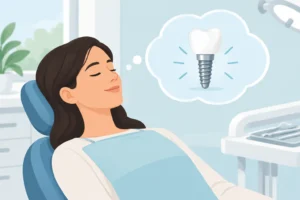
When a tooth cannot be saved, replacement options may include a bridge, a removable solution or a dental implant after appropriate healing and assessment. The right choice depends on bone volume, gum health, adjacent teeth, bite, overall health and personal priorities. A well-planned replacement should restore comfort and function while respecting the appearance of the surrounding smile.
Preventing a repeat emergency
Some emergencies are unavoidable, but many are linked to grinding, weakened old restorations, untreated decay or contact sport injuries. Regular examinations allow small cracks, leaking fillings and early decay to be identified before they become painful. A custom night guard can protect teeth and restorations for patients who clench or grind, while a fitted sports mouthguard offers better protection than a boil-and-bite alternative.
If a crown, bridge or filling has failed more than once, it is worth looking beyond the restoration itself. Bite pressure, tooth wear, decay risk and the quality of the remaining tooth structure may all need to be addressed. At Slievemore Dental, emergency treatment can form the first step in a coordinated plan, from immediate relief through to long-lasting restorative care where needed.
A damaged or painful tooth rarely improves by waiting. Protect it, avoid testing it with hard foods, and seek professional advice promptly. Early, gentle intervention is often the most conservative path to getting you comfortable and smiling with confidence again.