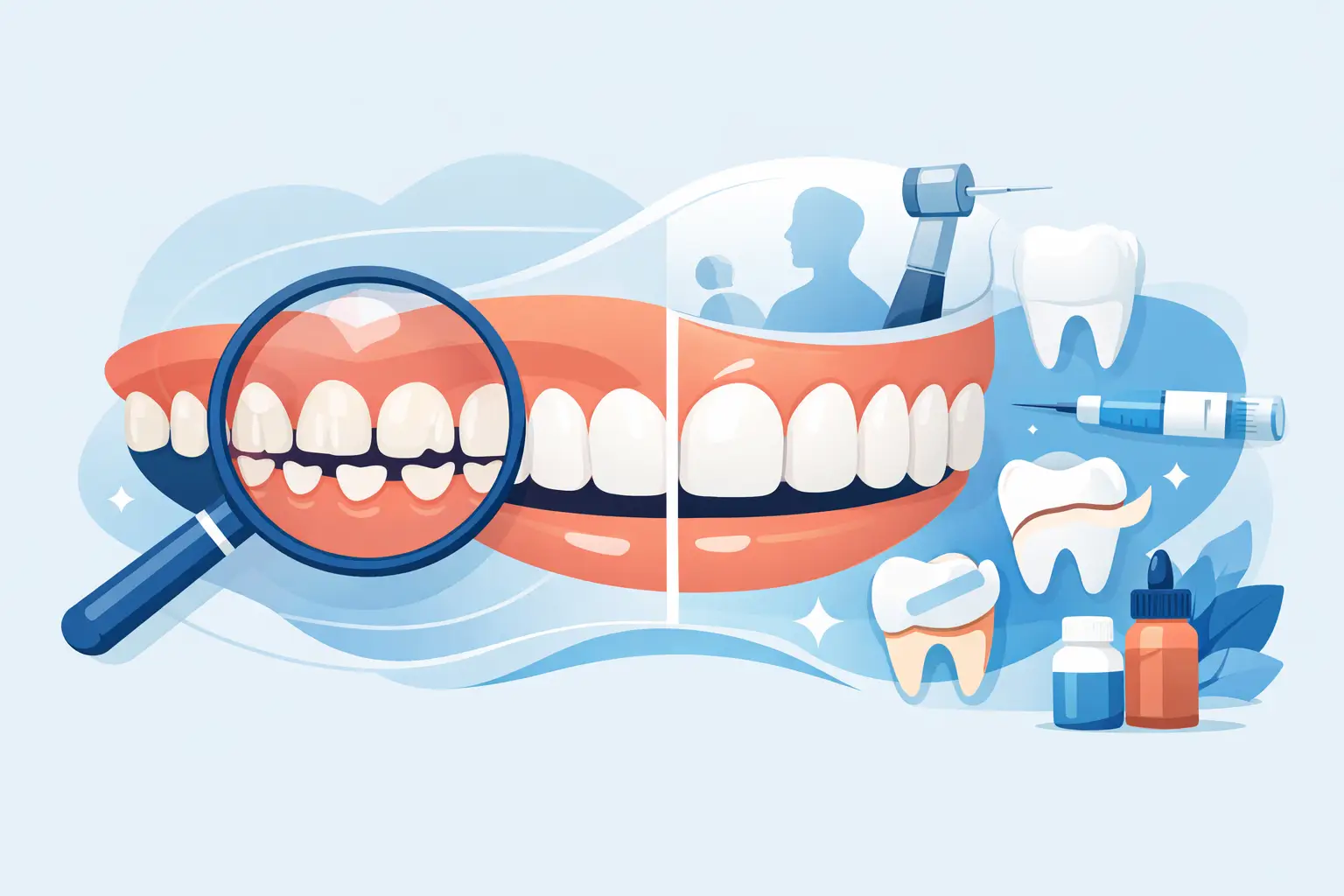
Teeth rarely wear down without leaving clues. You may notice sharper-looking edges becoming flat, small chips appearing more often, sensitivity when drinking something cold, or front teeth that seem shorter in photographs. Effective treatment for worn teeth begins by understanding why the enamel and tooth structure are being lost – because restoring the surface without addressing the cause can lead to the same problem returning.
Tooth wear is common, but it is not something to dismiss as an unavoidable part of getting older. Modern restorative dentistry can protect vulnerable teeth, rebuild a comfortable bite and create results that look natural rather than artificial. The right approach depends on how much tooth structure has been lost, the health of the teeth and gums, and the forces your bite places on each restoration.
Why do teeth become worn?
Wear can happen gradually over years, making it easy to overlook until teeth begin to feel different or look noticeably shorter. In many cases, more than one factor is involved.
Bruxism, or tooth grinding and clenching, is a frequent cause. Some people grind during sleep and are unaware of it; others clench during concentrated work, exercise or periods of stress. This can flatten chewing surfaces, chip edges and place substantial pressure on existing fillings, crowns and veneers.
Acid erosion is another important cause. Acid softens enamel, leaving it more susceptible to wear from everyday chewing and brushing. Frequent acidic drinks, citrus fruits, reflux or recurrent vomiting can all contribute. This is different from grinding, although acid-softened teeth can wear more quickly when grinding is also present.
A bite that is not evenly balanced may concentrate force on a small number of teeth. Missing teeth, shifting teeth, old restorations that no longer meet correctly and certain orthodontic issues can all alter how the jaws come together. Occasionally, overly vigorous brushing or abrasive toothpaste adds wear near the gum line.
Diagnosis comes before restoration
It can be tempting to focus on the visible damage, particularly when front teeth have become short or chipped. However, a precise diagnosis is what makes treatment predictable and long-lasting. A dentist will assess the pattern of wear, examine the muscles and jaw joints, check the condition of the gums, and look for cracks, decay and failing restorations.
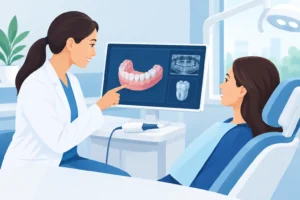
Digital photographs, scans and X-rays may be used to record the current position of the teeth and plan changes accurately. For more advanced cases, digital smile design and diagnostic models can show how the bite may function after treatment. This gives you an opportunity to understand the proposed shape, length and appearance of the teeth before irreversible work is undertaken.
The key questions are not simply, “Which teeth look worn?” but “Why are they wearing?”, “Is the process active?” and “How much space is available to rebuild them safely?” A carefully planned answer may be conservative, while severe or complex wear may call for a wider full-mouth rehabilitation.
Treatment for worn teeth: choosing the right approach
There is no single restoration that suits every worn smile. The most conservative solution that provides reliable protection is usually preferred, but it must also withstand your bite and meet your aesthetic goals.
Monitoring and prevention for early wear
When wear is mild and stable, treatment may centre on prevention rather than immediate rebuilding. This can include advice around acidic foods and drinks, management of reflux with the appropriate medical professional, and a custom-made night guard where grinding is suspected. A guard does not stop every clenching habit, but it can protect teeth and restorations from direct tooth-on-tooth contact during sleep.
Regular reviews are valuable because small changes can be identified before they become more difficult to treat. Photographs or digital scans provide a useful comparison over time, rather than relying on memory alone.
Composite bonding for small chips and lost edges
Composite bonding uses a tooth-coloured resin to rebuild worn corners, smooth rough edges or restore modest lost length. It is often an excellent option for front teeth where the aim is to preserve as much natural enamel as possible. In many cases, little or no drilling is required.
Bonding can look highly natural when planned with attention to colour, translucency and tooth proportions. It is also easier to repair than some alternatives. The trade-off is that composite can stain, chip or wear over time, particularly in patients who grind heavily. A protective night guard and good maintenance are often part of the long-term plan.
Ceramic veneers, onlays and crowns
Ceramic restorations may be appropriate when wear is more substantial, when previous bonding has repeatedly failed, or when stronger and more stable aesthetic correction is required. Veneers cover the visible front surface of selected teeth, while onlays protect worn chewing surfaces and cusps without enclosing the entire tooth. Crowns cover the full tooth and are generally reserved for teeth that are extensively weakened, heavily restored or cracked.
These options can restore strength, shape and natural light reflection beautifully. Yet they are not interchangeable. Preparing a tooth for a crown is more invasive than placing an additive composite restoration or an onlay, so the decision should be based on sound tooth-preserving principles rather than appearance alone.
Full-mouth rehabilitation for complex wear
Where wear affects many teeth and has altered the bite significantly, isolated repairs may not be enough. Full-mouth rehabilitation is a carefully sequenced treatment that restores multiple teeth in a planned bite position. It may involve a combination of composite restorations, ceramic onlays, crowns, veneers, replacement of missing teeth and, where needed, implant treatment.
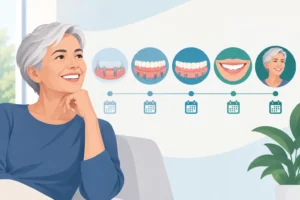
This is not simply a cosmetic makeover. The aim is to establish a bite that is comfortable, functional and designed to distribute forces more evenly. Treatment is often completed in stages, sometimes beginning with temporary or trial restorations so that speech, chewing comfort and appearance can be evaluated before the final work is made.
Complex cases benefit from coordinated planning across restorative dentistry, prosthodontics, orthodontics and implant dentistry. At Slievemore Dental, this multidisciplinary approach allows functional, aesthetic and biological considerations to be assessed together rather than treating each worn tooth in isolation.
What does treatment feel like?
Many people delay treatment because they worry that worn teeth will require extensive drilling or uncomfortable appointments. The reality depends on the condition of the teeth, but modern digital planning and conservative techniques can make care far more controlled than patients expect.
Local anaesthetic is used whenever necessary, and appointments can be paced around your comfort. If you are anxious or have had difficult dental experiences before, tell the clinical team from the outset. A calm, judgement-free discussion helps shape the pace of treatment, including breaks during longer visits.
After restorations are placed, it is normal to need a short adjustment period. Your tongue may notice even small changes in tooth shape, and the bite may feel unfamiliar at first. Persistent high spots, jaw discomfort or sensitivity should be reviewed promptly so that small adjustments can be made.
Protecting your investment after treatment
Restored teeth still need protection from the forces and acids that caused the original wear. A night guard is often recommended for patients who clench or grind. It should be reviewed periodically, as a worn or poorly fitting guard may no longer provide the intended protection.
Daily cleaning, professional hygiene visits and routine examinations are equally important. Avoid brushing immediately after acidic food or drink, when enamel is temporarily softened; rinsing with water and waiting before brushing is usually kinder to the tooth surface. If reflux is suspected, addressing the underlying cause matters as much as any dental restoration.
Well-planned treatment for worn teeth should never be about producing a uniformly white, overly bulky smile. It should give you teeth that feel like your own again: comfortable to use, proportionate to your face and protected for the years ahead. A detailed assessment is the most useful first step, particularly if your teeth are changing, chipping or becoming sensitive.