A small chip on a front tooth, uneven edges that catch the light in photographs, or discolouration that whitening has not shifted can make you ask: are porcelain veneers worth it? For the right person, they can be a precise, long-lasting way to improve a smile without making it look artificial. But veneers are not a universal answer, and the best result begins with an honest assessment of your teeth, bite, gums and expectations.
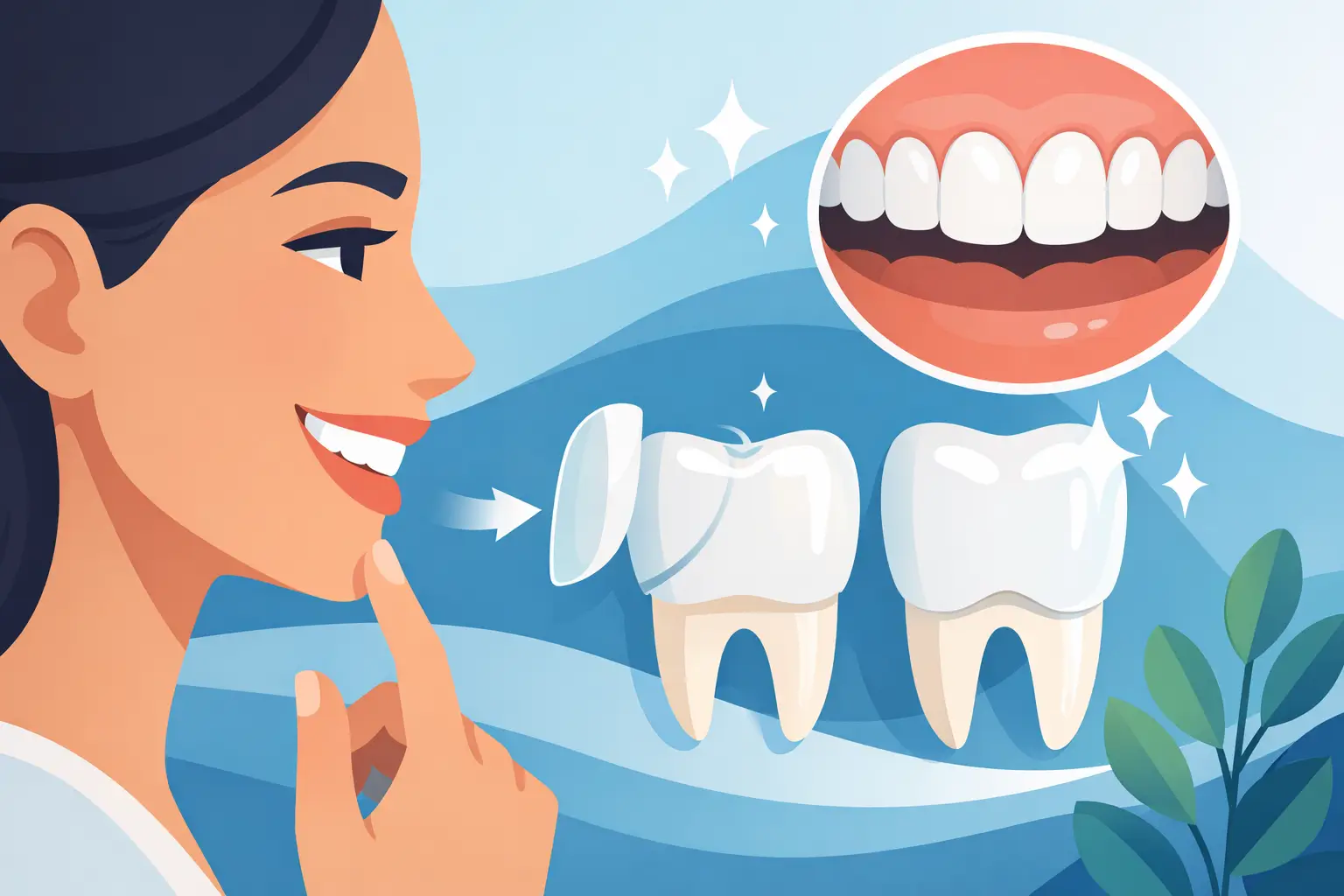
Porcelain veneers are thin, custom-made ceramic shells bonded to the front surface of teeth. They are most commonly used on visible upper and lower teeth to alter colour, shape, proportion or alignment. A well-planned veneer should look like a healthy natural tooth – with subtle translucency, texture and character – rather than a uniform white covering.
Are porcelain veneers worth it? The short answer
Porcelain veneers are worth considering when you have stable oral health and a specific cosmetic concern that cannot be addressed more conservatively. They can be particularly effective for teeth with intrinsic staining, worn or chipped edges, small gaps, mild irregularity, or shapes that feel out of balance with the rest of the smile.
Their value is not simply in a brighter result. High-quality veneers can restore harmony between the teeth, lips and facial features, while preserving as much healthy tooth structure as possible. For many patients, that added confidence is meaningful in professional settings, social situations and everyday life.
However, a veneer is a permanent restorative commitment. Some enamel is often adjusted to create space for the porcelain and a natural profile, although the amount required varies significantly. You will need to maintain the veneers and may eventually need replacement. If a simple whitening course, edge bonding or orthodontic treatment can achieve your goal, those options deserve careful consideration first.
What makes a veneer result feel worthwhile?
The difference between a good veneer and an excellent one is rarely just the shade. It is the diagnosis and planning behind it. Teeth do not exist in isolation: gum levels, lip movement, tooth proportions, bite forces and neighbouring teeth all influence the outcome.
At a detailed consultation, your clinician should assess the health of the gums and supporting bone, examine old fillings and cracks, and evaluate how your teeth meet when you bite, speak and move your jaw. Treating active decay, gum inflammation or grinding before cosmetic work protects the investment and improves predictability.
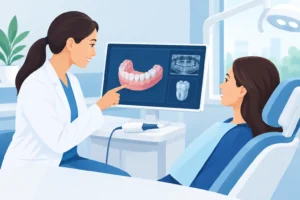
Digital planning can be especially helpful. Photographs, scans and a proposed smile design allow the clinician to plan tooth proportions accurately and, in many cases, show a preview or trial smile before the final ceramics are made. This gives you the opportunity to discuss details that matter – whether you prefer a softer, more youthful edge, a more natural shade, or a restrained enhancement that still feels like you.
A natural-looking result also depends on restraint. Very white, identical-looking teeth may suit a small number of patients, but they are not automatically the most flattering or durable choice. A meticulous clinician will balance your preferences with the colour of your natural teeth, complexion, age, gum display and bite.
The trade-offs to understand before treatment
Porcelain is highly stain-resistant and can closely mimic natural enamel, but it is not indestructible. Veneers may chip, debond or crack if subjected to excessive force. Biting fingernails, opening packaging with teeth, chewing ice and using teeth as tools all increase the risk.
Grinding and clenching need particular attention. These habits can be managed successfully, but a protective night guard may be recommended after treatment. In some cases, significant bite-related wear or a complex bite means veneers alone are not the most responsible option. A broader restorative plan may be needed to protect both the veneers and the remaining teeth.
Preparation is another key consideration. Minimal-preparation or no-preparation veneers can be suitable for selected cases, usually where there is sufficient space to add material without making teeth look bulky. They are not automatically better. If teeth are already prominent or crowded, adding porcelain without appropriate preparation can create an unnatural contour and make cleaning more difficult.
It is also sensible to plan around the colour of untreated teeth. Veneers do not respond to whitening treatment once fitted. If you want to brighten the rest of your smile, whitening is normally completed before your final shade is selected. Existing crowns or fillings may also need consideration if they will no longer match.
How long do porcelain veneers last?
With good planning, careful bonding and consistent home care, porcelain veneers commonly last well over a decade. Some last considerably longer. Their lifespan depends on oral hygiene, diet, bite forces, gum health, the condition of the underlying tooth and whether you attend regular examinations and hygiene appointments.
The porcelain itself is resistant to staining, but the natural tooth and gum margin still need care. Brushing twice daily with fluoride toothpaste, cleaning between teeth and attending routine reviews are essential. Gum recession can expose a veneer margin over time, particularly if gum disease is present or brushing is overly aggressive. This may affect appearance and occasionally create a reason to replace the restoration.
Replacement should be factored into the decision from the outset. A veneer does not need replacing simply because it reaches a particular birthday, but it is a restoration with a finite service life. Choosing a high-quality plan and protecting the result can reduce the likelihood of early replacement.
Cost: look beyond the initial fee
The cost of veneers varies according to the number of teeth treated, the complexity of the case, the materials used and the level of planning required. A lower initial price can be appealing, but cosmetic dentistry is difficult to judge only by the final photograph. The quality of diagnostics, laboratory work, temporary restorations, bite assessment and aftercare all affect how a result looks and performs over time.
It is worth asking what is included in your proposed treatment. Will you have a diagnostic preview? Is gum treatment, whitening or replacement of old restorations needed first? What happens if the bite requires adjustment or a veneer is damaged? Clear written planning makes it easier to compare options fairly and to budget for care responsibly.
At Slievemore Dental, cosmetic treatment can be planned within a wider clinical assessment, so the appearance of the smile is considered alongside tooth health, gum stability and function. This is particularly valuable where older dentistry, wear, missing teeth or a complex bite are involved.
When another option may be better
Veneers are not always the most conservative solution. If the concern is mainly colour, professional whitening may provide a satisfying improvement without altering the teeth. Composite bonding can repair small chips, refine shapes and close minor gaps, usually with less tooth preparation, although it may stain or wear more readily than porcelain.
For crowded or rotated teeth, orthodontic treatment can improve the position of natural teeth first. This may reduce the amount of restorative work required afterwards. A crown may be more appropriate than a veneer where a tooth is heavily filled, weakened, root-treated or substantially broken down. Conversely, a healthy tooth with a small cosmetic issue may not need a crown at all.
The right choice depends on the condition of each tooth, not just the appearance of the smile as a whole. A clinician who is willing to recommend a simpler solution when it is appropriate is protecting your long-term dental health.
Questions to ask at a veneer consultation
Before committing, ask how much tooth preparation is likely to be required, whether your gums and bite are stable, and what alternatives could meet your goals. It is also reasonable to ask how the proposed shade and shape will be tested before the final veneers are fitted, and what aftercare will help protect them.
If you feel nervous about dental treatment, say so early. A calm pace, clear explanations and an agreed stop signal can make the process far more manageable. Cosmetic care should never feel rushed or pressured.
A considered decision can be a confident one
The best veneers do not announce themselves. They allow you to smile, speak and laugh without thinking about the teeth you once tried to hide. If your expectations are realistic, your oral health is stable and the plan respects the natural structure of your teeth, porcelain veneers can be a worthwhile investment in both appearance and confidence. The most helpful next step is a thorough consultation that gives you genuine choices, not a one-size-fits-all answer.