A crowded meeting, a wedding photograph or simply seeing your smile on a video call can make a long-standing concern about tooth alignment feel more immediate. Invisalign for adults Dublin patients choose is not about pursuing a perfectly uniform smile at any cost. It is about improving alignment in a discreet, carefully planned way while respecting the health, proportions and character of your natural teeth.
For many adults, orthodontic treatment was never an option in their teens, or teeth have moved gradually since previous brace treatment. Clear aligners can be an excellent solution, but they are not a one-size-fits-all cosmetic product. A proper assessment considers your teeth, bite, gums, jaw joints and the outcome you would like to achieve before treatment begins.
How Invisalign for Adults in Dublin Works
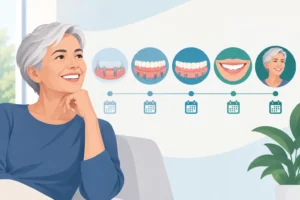
Invisalign uses a series of custom-made, clear removable aligners to place gentle, controlled pressure on selected teeth. Each aligner is worn for around 20 to 22 hours a day and changed according to the clinician’s instructions, often every one to two weeks. Over time, these small movements can improve crowding, gaps, rotations and certain bite concerns.
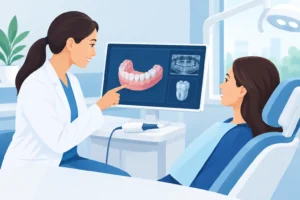
The process begins with a clinical consultation and digital assessment. Detailed scans create a three-dimensional model of the teeth, allowing the dentist to plan movements with precision and show a proposed treatment pathway. This digital workflow is valuable because it supports clear communication: you can understand what is realistic, how long treatment may take and whether additional dental work should be considered.
Most patients attend periodic reviews so progress can be checked and the next stages of treatment can be provided. Appointments are typically straightforward, but they remain clinically important. Teeth do not always respond exactly as predicted, and thoughtful monitoring allows refinements to be planned when needed.
Why Adults Choose Clear Aligners
The discretion of clear aligners is often the initial attraction. They are less noticeable than fixed braces and can be removed for meals, brushing and important occasions. For professionals who speak with clients, work in public-facing roles or simply prefer a lower-profile treatment, this flexibility can make orthodontics feel more manageable.
Good oral hygiene is another advantage. Because aligners are removed to brush and floss, patients can continue their usual hygiene routine without navigating around brackets and wires. That said, removable does not mean optional. Consistent wear is essential. Taking aligners out frequently for coffee, social events or convenience can prolong treatment and compromise the planned outcome.
Adults also tend to value a treatment plan that looks beyond straight front teeth. Alignment can make cleaning easier, improve how teeth meet and create a more balanced foundation for future cosmetic or restorative treatment. In some cases, moving teeth first can reduce the amount of tooth preparation needed for veneers or crowns, helping to preserve natural enamel.
Is Invisalign Suitable for Every Adult?
Not always. Clear aligners can treat a wide range of mild to complex alignment problems, but suitability depends on the individual diagnosis. Severe bite discrepancies, certain skeletal jaw relationships, very difficult tooth movements or poor compliance may be better managed with fixed orthodontics, specialist orthodontic care, or a combined approach.
Healthy gums and stable teeth are fundamental. If there is untreated gum disease, active decay, repeated dental infection or a failing restoration, these issues should be addressed first. Moving teeth in an unhealthy mouth is not good clinical practice and may create avoidable risks.
Previous dental work also matters. Crowns, veneers, bridges and implants require careful planning. An implant does not move orthodontically, while a crown may need special consideration when attachments are placed or removed. For patients with extensive restorative needs, a multidisciplinary assessment can ensure alignment, bite function and the final appearance of any restorations are planned together rather than in isolation.
What About Teeth That Have Shifted After Braces?
This is one of the most common reasons adults seek treatment. Teeth can drift over time, particularly in the lower front teeth, even after successful brace treatment years earlier. A short course of aligners may be appropriate for minor relapse, although the right answer depends on whether the bite has changed and whether there are signs of tooth wear, gum recession or clenching.
A retainer remains part of the long-term plan. Teeth have a natural tendency to move throughout life, so retention is not an optional extra once active treatment is complete. Your clinician will advise on the style and wear schedule that best protects your new alignment.
What Treatment Feels Like Day to Day
It is normal to feel pressure or tenderness when starting a new aligner. This usually settles within a few days and is generally a sign that teeth are responding to the controlled force being applied. Clear aligners have smooth edges, although minor rubbing can occasionally occur and should be mentioned at review.
Daily routines need a little organisation. Aligners should be removed before eating and before drinking anything other than water, then teeth should be brushed before they are put back in. This helps prevent staining and reduces the chance of trapping sugars against the teeth. A protective case is sensible too – many aligners are accidentally discarded when wrapped in a napkin at lunch.
The treatment only works when the aligners are worn as prescribed. Adults who are motivated and able to build this into their routine are often very good candidates. If your work, travel or lifestyle makes consistent wear unlikely, a different orthodontic option may provide a more predictable route.
Creating a Natural-Looking Result
A successful adult orthodontic result is not simply a matter of making every tooth perfectly straight. The shape of the dental arches, the bite, gum levels, tooth proportions and facial features all influence what looks natural. Some patients want a subtle improvement in crowding; others are preparing for whitening, bonding, veneers or more comprehensive rehabilitation.
Digital planning can map the intended movement, but it should be led by clinical judgement. Small attachments, tooth-coloured shapes temporarily bonded to certain teeth, are often used to help aligners grip and move teeth accurately. In selected cases, minimal enamel contouring between teeth may create the room required for safe alignment. These details should be explained clearly before treatment, including why they are recommended and what alternatives are available.
At Slievemore Dental, planning can draw on comprehensive general, restorative and aesthetic expertise, which is especially valuable where tooth wear, old restorations or bite concerns sit alongside crowding. The aim is a healthy, functional smile that looks like it belongs to you, not an overworked or artificial result.
Questions Worth Asking at Your Consultation
Before committing to aligner treatment, ask what specific concerns are being treated, whether your gums and bite are stable, and what result is realistically achievable. You should also understand the expected treatment duration, the number of review appointments, whether refinements are likely to be included and what retainers will be needed afterwards.
It is equally reasonable to ask about alternatives. Fixed braces, limited cosmetic treatment or no treatment at all can sometimes be appropriate options. A high-quality consultation should not pressure you towards one route. It should give you enough information to make a decision that feels right for your health, lifestyle and goals.
Clear aligners can be a discreet and highly precise way to improve adult tooth alignment, provided they are prescribed for the right reasons and worn consistently. The most worthwhile next step is a calm, thorough assessment – one that protects the health of your teeth and gums while giving you confidence in every stage of the plan.