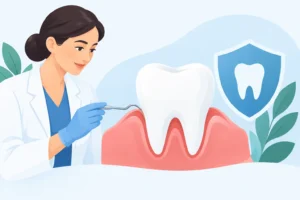
When a tooth begins to look longer than its neighbours, the issue is often not the tooth itself but the gum around it. Receding gums can expose a sensitive root surface, affect the balance of a smile and, in some cases, leave the tooth more vulnerable over time. This guide to gum grafting explains how treatment works, when it may be recommended and what a carefully planned recovery can look like.
What is gum grafting?
Gum grafting, also called soft tissue augmentation, is a surgical procedure used to restore or strengthen gum tissue around one or more teeth. It is most commonly carried out where gum recession has exposed part of the tooth root.
Healthy gums form a protective collar around each tooth. When that tissue recedes, patients may notice sensitivity to cold drinks, brushing or sweet foods. Some are primarily concerned by the appearance of uneven gum levels, particularly around front teeth. Others have little discomfort but have been advised that the tissue is thin and may continue to recede without treatment.
A graft adds tissue to the affected area, increasing its thickness and helping to cover the exposed root where appropriate. The aim is not simply cosmetic. A successful graft can make brushing more comfortable, improve protection around the tooth and create a more natural, stable gumline.
Why gums recede
Gum recession is not always a sign of poor brushing. In fact, several factors may be involved, and identifying the cause is central to planning treatment that lasts.
Periodontal disease can destroy the supporting tissues around teeth and is a common cause of recession. However, recession can also develop in patients with otherwise healthy mouths. Thin gum tissue, naturally prominent tooth roots, crowding, previous orthodontic treatment, clenching and grinding, or a high lip or cheek attachment can all contribute.
Brushing technique matters too. Brushing aggressively with a hard brush, particularly in a horizontal scrubbing motion, can gradually wear away gum tissue and exposed root surface. Tobacco use, poorly fitting restorations and local trauma may also play a part.
This is why grafting should not be treated as an isolated cosmetic procedure. Before recommending surgery, the clinician needs to establish whether gum disease is active, whether the bite is placing excessive force on a tooth, and whether daily cleaning habits need adjustment. Treating the visible recession without addressing its cause can compromise the result.
When is gum grafting recommended?
A graft may be considered when recession is progressing, root sensitivity is persistent, or the gum around a tooth is very thin. It can also be appropriate before or alongside other treatment, such as orthodontics, implant treatment or aesthetic restorative dentistry, where a stable gum foundation is needed for a natural-looking outcome.
The decision depends on the position of the tooth, the amount of root exposure, the quality of the existing gum tissue and the health of the surrounding bone. Complete root coverage is not achievable in every case. Where recession is advanced or bone support has been lost, the treatment goal may be to thicken and stabilise the tissue rather than fully restore the original gumline.
That distinction matters. A responsible consultation should set out what is predictable for your individual anatomy, rather than promise an identical result for every patient.
Your assessment and treatment planning
A detailed examination comes first. This normally includes measuring the recession, checking for bleeding and gum pockets, assessing tooth mobility and evaluating the bite. Clinical photographs and digital scans can help record the starting position and support precise planning, particularly in visible areas of the smile.
If gum disease is present, it must be brought under control before graft surgery. Professional hygiene care and a tailored home-care routine are often essential parts of preparation. Patients who smoke may be advised that stopping or reducing smoking significantly improves healing conditions.
Your clinician will also discuss medical history, medications and any history of slow healing. Certain medicines, uncontrolled diabetes and immune conditions can affect surgical planning. This is not a barrier to care in every case, but it allows the team to plan safely and realistically.
How gum grafting is performed
Gum grafting is usually carried out under local anaesthetic, so the area is fully numb during treatment. For nervous patients, discussing anxiety in advance allows the appointment to be planned with additional reassurance, breaks and appropriate comfort measures.
The technique chosen depends on the clinical need.
Connective tissue graft
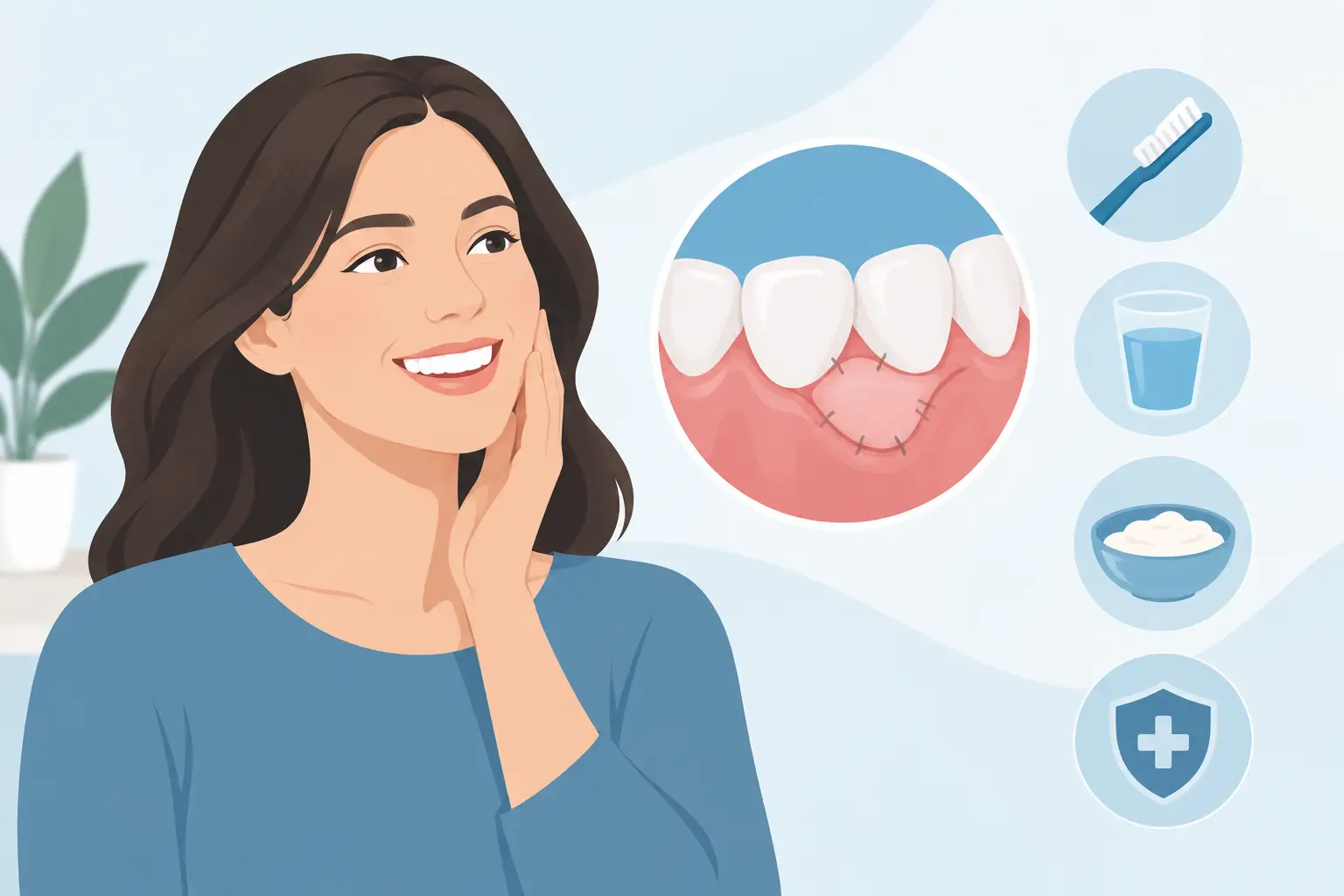
This is a widely used approach for covering exposed roots. A thin layer of connective tissue is often taken from beneath the surface of the palate, then placed beneath the gum at the recession site. The tissue is secured with fine sutures, allowing the existing gum to heal over it.
Pedicle graft
Where there is sufficient healthy gum next to the affected tooth, tissue may be carefully moved from the neighbouring area while remaining attached to its original blood supply. This can offer excellent healing in suitable cases, although it is not appropriate for every site.
Free gingival graft or donor tissue
A free gingival graft may be used where the main goal is to increase the width or thickness of firm gum tissue. In selected cases, processed donor material may be considered, reducing or avoiding the need to take tissue from the palate. Each option has different benefits in terms of healing, suitability and aesthetic control.
The procedure itself is precise and typically takes one to two hours, depending on the number of teeth being treated and the method used. Fine sutures hold the graft securely while the area heals.
Recovery after a gum graft
Most patients describe the first few days as manageable rather than painful, although tenderness is expected. If tissue has been taken from the palate, that donor area can feel like a grazed patch. Your clinician will provide clear instructions on pain relief, cleaning and diet based on the treatment performed.
For the first week or two, choose softer foods and avoid chewing directly on the grafted area. Foods with sharp edges, such as crusty bread or crisps, can disturb the healing tissues. Brushing directly over the graft is usually avoided initially, while the surrounding teeth must still be kept clean as instructed. A prescribed or recommended mouth rinse may be used for a limited period.
Swelling and light bruising can occur and generally settle over several days. Sutures may dissolve or be removed at a review appointment. Although early healing is relatively quick, the tissues continue to mature for weeks and sometimes months. The final gum position and colour blend should be assessed with patience.
Contact your dental team promptly if you experience increasing pain after the first few days, persistent bleeding, fever, significant swelling or if the graft appears to have moved. These concerns are uncommon, but early review is the safest approach.
Risks, limitations and long-term care
As with any surgical treatment, gum grafting carries risks. These include bleeding, infection, discomfort, graft shrinkage, incomplete root coverage and recurrence of recession. The palate may also remain sensitive for a short period if it has been used as a donor site.
Meticulous surgical technique and careful aftercare reduce these risks, but long-term success also depends on preventing the original cause. This may mean switching to a soft toothbrush, refining brushing technique, wearing a night guard if grinding is contributing, maintaining periodontal hygiene appointments or adjusting the bite in selected cases.
Regular reviews allow the gums to be monitored before small changes become larger problems. A graft is an investment in the health and appearance of your smile, and thoughtful maintenance protects that investment.
Is gum grafting the only option?
Not always. Mild, stable recession without sensitivity or aesthetic concern may simply be monitored. Desensitising treatments, bonding to cover an exposed root surface, bite management and changes to brushing can all be useful in the right circumstances.
However, these measures do not replace lost gum tissue. Where the tissue is becoming thinner, the recession is progressing or future restorative work requires a stronger gum foundation, a graft may offer the more durable solution.
At Slievemore Dental, treatment planning considers the health of your gums, teeth and bite together, so that surgical care supports a comfortable function and a natural-looking smile. If you have noticed sensitivity or a changing gumline, an early assessment can provide clarity and allow you to make decisions before the problem becomes more complex.