The first tooth can arrive quietly, often before a child is walking or talking, but it is already vulnerable to decay. Parents commonly ask when should children see a dentist, particularly when there is no pain or obvious concern. The reassuring answer is earlier than many expect: a first dental visit should usually take place when the first tooth appears, or by a child’s first birthday.
This early appointment is not about lengthy treatment. It is an opportunity to check that teeth, gums and jaw development look healthy, discuss feeding and brushing, and help your child become familiar with a calm clinical environment. Starting before there is a problem can make dental care feel ordinary rather than frightening.
When should children see a dentist for the first time?
Primary teeth, often called baby teeth, matter. They support chewing, speech development and the position of adult teeth that will follow. Although they are temporary, infection or early tooth loss can affect comfort, sleep, eating and confidence at a crucial stage of development.
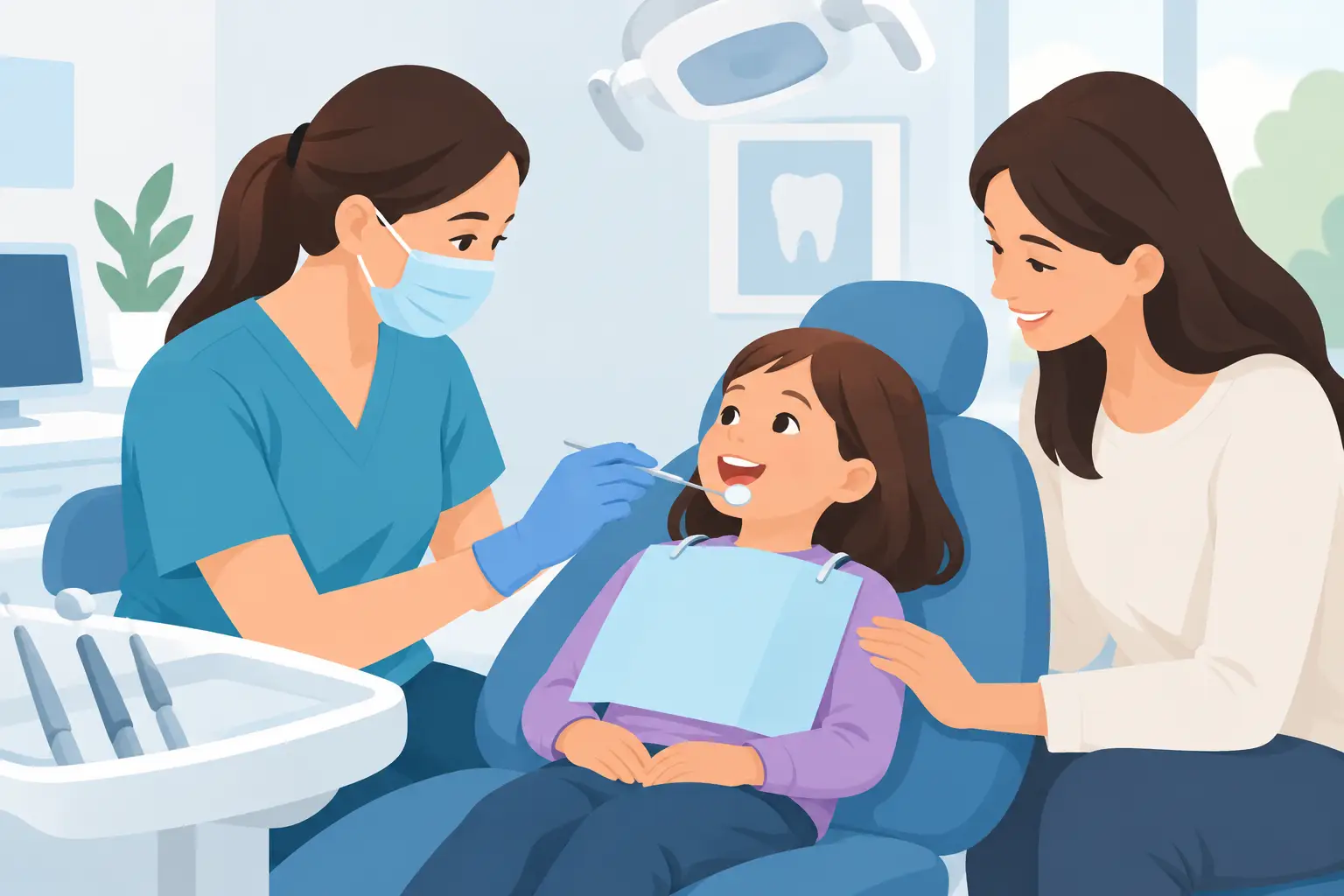
At a first visit, the dentist will gently look at the mouth, gums, tongue and any teeth that have erupted. They may assess the bite and jaw growth, as well as discuss habits such as thumb sucking or prolonged dummy use where relevant. For a very young child, the examination may take place on a parent’s lap. The aim is always to make the experience feel safe, brief and positive.
There is no need to wait for all the teeth to come through. In fact, waiting until a child has pain can make their first appointment more difficult, because they may already associate the dentist with discomfort or worry.
Why prevention starts before school
Tooth decay remains one of the most common childhood health concerns, and it can develop surprisingly quickly. Frequent exposure to sugary foods and drinks, bedtime bottles containing milk or sweetened liquids, and inconsistent brushing can all increase risk. Even seemingly healthy snacks can be acidic or contain natural sugars that are harmful when offered repeatedly throughout the day.
A dentist can offer practical advice tailored to your child and your family routine. That may include guidance on brushing technique, fluoride toothpaste, bottle use, snacks and drinks, or how to manage a child who resists toothbrushing. Advice is most useful when it is realistic. A busy morning routine, sensory sensitivities or a fussy toddler may call for a different approach than a textbook-perfect plan.
For most children, brushing should begin as soon as the first tooth erupts. Use a smear of fluoride toothpaste for children under three, and a pea-sized amount from age three to six, unless your dentist advises otherwise. Parents should brush or closely supervise brushing until a child has the dexterity to do it thoroughly, which is often later than families assume.
Regular check-ups also allow a dentist to monitor how adult teeth are emerging. Some spacing in baby teeth is normal and can be helpful, while crowding, crossbites or unusual eruption patterns may need observation or an early orthodontic opinion. Not every irregularity requires treatment, but identifying a developing concern at the right time creates more options.
How often should children see a dentist?
The right interval depends on a child’s individual risk. A dentist may recommend a routine review every six months, but some children need to be seen more often and others may be suitable for longer intervals. Previous decay, enamel weakness, orthodontic concerns, diet, brushing habits and medical conditions can all influence that recommendation.
A child with healthy teeth, effective brushing and a low-sugar diet may only need routine monitoring. A child who has had decay, finds brushing difficult or takes medicines that affect the mouth may benefit from closer preventive care. The goal is not to create unnecessary appointments. It is to provide the level of oversight that protects growing teeth while avoiding more invasive treatment later.
At Slievemore Dental, children’s care is approached with the same precision and gentleness as adult dentistry. Clear explanations, a calm pace and a judgement-free atmosphere can be particularly valuable for children who are nervous, sensitive to new surroundings or attending after a difficult experience elsewhere.
Do not wait if your child has these symptoms
A routine check-up is ideal, but certain signs deserve prompt assessment. Children do not always describe dental pain clearly. They may become unsettled at night, avoid food, chew on one side or complain that a tooth feels “funny”.
Contact a dentist promptly if you notice:
- toothache, sensitivity or pain when eating or drinking;
- swelling of the gum, face or jaw;
- a dark, chipped, broken or visibly decayed tooth;
- bleeding gums that continue despite gentle brushing;
- a loose tooth following a knock or fall; or
- a tooth that has been knocked out, pushed inwards or moved out of position.
A dental injury can be alarming, but fast advice can make a meaningful difference. If an adult tooth is knocked out, hold it by the crown rather than the root, gently rinse it if dirty and seek emergency dental care immediately. Do not try to reinsert a baby tooth, as this could damage the developing adult tooth beneath it.
Swelling in the face or mouth, particularly with fever, difficulty swallowing, breathing difficulty or a child who seems unwell, requires urgent medical assessment. Dental infections should never be left to settle on their own.
Making the first appointment feel easier
Parents do not need to build the visit up as something major. Simple, positive language tends to work best: the dentist is going to count your teeth and help keep your smile strong. Avoid using frightening words such as “needle”, “drill” or “pain”, especially when no treatment is expected. It is also wise not to promise that nothing will happen, because an honest but reassuring approach helps build trust.
Choose an appointment time when your child is usually rested and fed, rather than close to a nap or at the end of an exhausting day. Bringing a favourite small comfort item can help younger children settle. If your child has additional needs, past healthcare anxiety or sensory sensitivities, tell the practice in advance. Small adjustments in pace, communication and environment can make a substantial difference.
For parents who feel anxious about dentistry themselves, it can be difficult not to pass that worry on. Acknowledge your child’s feelings, but keep your own language calm and matter-of-fact. Children often take their cue from the adults around them.
What a healthy routine looks like at home
A dental visit cannot replace daily habits. Brushing twice a day with fluoride toothpaste is the foundation, with one of those brushing sessions taking place last thing at night. After brushing, encourage children to spit out excess toothpaste rather than rinse, so fluoride remains on the teeth.
Water and milk are generally the kindest drinks for teeth between meals. Juice, smoothies, fizzy drinks and sweetened drinks are best kept occasional and served with meals rather than sipped throughout the day. The frequency of sugar exposure matters as much as the amount. A child who grazes on sweet snacks or drinks all afternoon gives mouth bacteria repeated opportunities to produce acid.
As adult teeth start to touch, cleaning between them becomes increasingly useful. Your dentist or hygienist can demonstrate an age-appropriate approach and recommend products that suit your child’s stage of development. This is particularly relevant where teeth are crowded or where orthodontic treatment is being considered.
The best time for a child’s first dental visit is before anyone is worried about a tooth. A gentle early check creates familiarity, gives parents clear preventive guidance and helps protect a smile that is still growing. If you have noticed pain, swelling, trauma or a change in your child’s eating or sleep, arrange an assessment sooner rather than waiting for the next routine appointment.