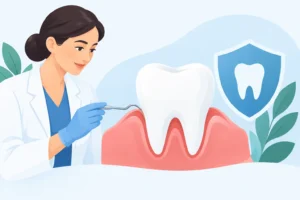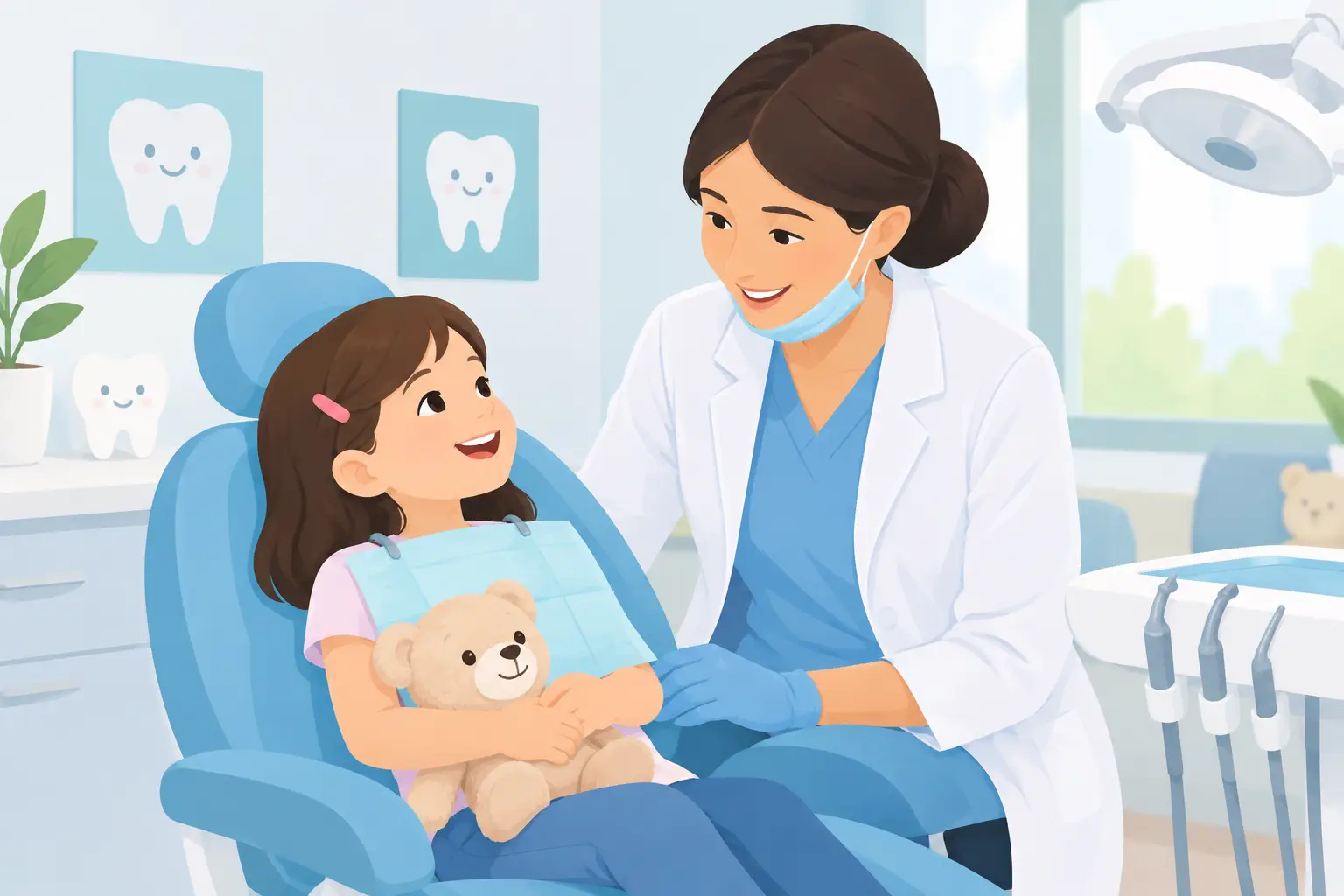
A child’s first few dental appointments can shape how they feel about oral health for years. Paediatric dentistry is not simply adult dentistry carried out on smaller teeth. It is a considered approach to protecting developing smiles, building trust and helping children feel safe in the dental chair.
For parents, the aim is rarely perfection. It is to give a child the best chance of keeping their natural teeth healthy, eating comfortably and attending appointments without fear. With early prevention, gentle communication and treatment tailored to a child’s stage of development, dentistry can become an ordinary, positive part of family healthcare.
What makes paediatric dentistry different?
Children’s mouths change quickly. Baby teeth guide speech, chewing and the position of permanent teeth, while the jaw and bite continue to develop throughout childhood. A small problem can sometimes progress faster than it would in an adult because enamel is thinner and children may not recognise, or describe, early symptoms.
Paediatric dental care considers more than a single tooth. Your dentist will look at decay risk, tooth eruption, bite development, gum health, diet, brushing technique and habits such as thumb sucking or dummy use. They will also adapt the pace, language and treatment plan to suit the child in front of them.
That might mean a short introductory visit for a toddler, a practical lesson in cleaning around braces for a teenager, or a carefully planned approach for a child who has had a difficult experience elsewhere. The clinical standard remains high, but comfort and cooperation are essential to achieving it.
When should a child first visit the dentist?
A first visit is usually recommended when the first tooth appears, or by a child’s first birthday. This can feel surprisingly early, especially when there are only one or two tiny teeth to examine. Yet this appointment is often more about prevention and familiarity than treatment.
The dentist can check that teeth are erupting as expected, assess the gums and discuss feeding, drinks, brushing and fluoride. Parents can also raise concerns before they become urgent, whether that is discolouration on a new tooth, an ongoing dummy habit or uncertainty about toothpaste.
After this, recall intervals depend on individual risk. A child with healthy teeth, excellent brushing and low sugar exposure may need a different schedule from one with previous decay, weak enamel, orthodontic concerns or a medical condition affecting oral health. Regular review allows the plan to change as your child grows.
The first appointment should feel manageable
A successful first visit does not require a perfect examination. For a nervous child, simply coming into the surgery, sitting briefly in the chair or having a ride in it may be enough. The next visit can build on that progress.
Parents can help by describing the appointment calmly and positively. Avoid telling a child that treatment will not hurt, as this can introduce a worry they had not considered. It is usually better to say that the dentist will count their teeth, check their smile and explain what is happening as they go.
Preventing tooth decay at home
Tooth decay remains one of the most common childhood health concerns, but it is often preventable. The most effective routines are consistent rather than complicated.
Brush twice daily with fluoride toothpaste from the first tooth. For children under three, use a smear of toothpaste; from age three, use a pea-sized amount. A parent should brush, or carefully supervise brushing, until a child has the dexterity to do it well independently, which is often around seven or eight years old. Spitting out excess toothpaste is encouraged, but rinsing straight after brushing can wash away protective fluoride.
Frequency of sugar exposure matters as much as quantity. Sweets, biscuits, sweetened yoghurts, juice and fizzy drinks are most harmful when they are repeatedly grazed on through the day. Keeping sugary foods and drinks to mealtimes, and offering water or milk between meals, gives teeth time to recover.
Night-time feeding also deserves careful discussion once teeth have erupted. Water is the safest drink after brushing before bed. If your child needs ongoing night feeds or has a particular dietary or medical need, ask the dental team for individual advice rather than relying on general rules.
Protecting developing teeth and bites
Baby teeth are temporary, but they are not disposable. When a baby tooth is lost early due to decay or trauma, neighbouring teeth can drift into the space and affect the path of the permanent tooth beneath. Infection in a baby tooth can also cause pain, disturbed sleep and difficulty eating, even where the tooth is close to falling out naturally.
Your dentist will monitor how adult teeth are emerging and whether there is enough room for them. Some children benefit from an orthodontic assessment while they still have a mixture of baby and permanent teeth. Early assessment does not always mean early treatment. Often, it means observing growth at the right intervals so treatment is timed appropriately and predictably.
Mild crowding may be best reviewed as the jaws develop. More significant bite concerns, such as a crossbite, prominent upper front teeth or a bite that places strain on the gums, may warrant earlier intervention. The right plan depends on growth, dental development and the nature of the problem.
Sport, falls and dental injuries
Children are active, and accidents happen. A custom-made mouthguard can offer valuable protection for contact and ball sports, particularly where a child has braces or prominent front teeth.
If a permanent tooth is knocked out, act promptly. Hold it by the crown, not the root, and if it is visibly dirty, rinse it briefly with milk or saline without scrubbing. If possible, place it back in the socket and ask the child to bite gently on a clean cloth. If that is not possible, store it in milk and seek urgent dental care immediately. Do not try to reinsert a baby tooth, as this can damage the developing permanent tooth.
A chipped tooth, a tooth that has moved position, persistent bleeding, swelling or worsening pain should also be assessed promptly. Even when a child seems comfortable after a fall, a dental examination can identify damage that is not immediately visible.
Gentle care for anxious children
Dental anxiety is not a character flaw, and children do not need to be persuaded to “be brave” before they deserve patient care. Fear can arise from a previous difficult appointment, sensitivity to sounds or sensations, general anxiety, or simply the unfamiliarity of the setting.
A calm, judgement-free approach makes a real difference. The dental team may use simple explanations, demonstrate instruments before use, agree a hand signal for breaks and keep early appointments short. Giving a child manageable choices, such as which flavour of toothpaste to use or whether they would like to sit up for a moment, can restore a helpful sense of control.
Parents are usually encouraged to remain calm and let the clinician lead the conversation. Children are highly attuned to adult anxiety. If your child has additional sensory, communication or medical needs, share this before the appointment so the team can make practical adjustments. A quieter time of day, extra time, familiar music or a staged introduction may all help.
At Slievemore Dental, paediatric care is approached with the same attention to detail as every other treatment, while recognising that a child’s confidence is part of the outcome. Gentle visits now can prevent avoidable pain and make future care far easier.
When treatment is needed
Even with excellent home care, some children develop cavities, enamel defects, gum inflammation or problems with tooth eruption. Treatment recommendations should be clear, proportionate and centred on long-term comfort and function.
Depending on the diagnosis, care may include fluoride treatments, fissure sealants, tooth-coloured restorations, protective crowns for heavily weakened baby teeth, or treatment for infection. Fissure sealants are thin protective coatings placed into the grooves of back teeth, where toothbrush bristles may struggle to reach. They are particularly useful when permanent molars first erupt and a child is at higher risk of decay.
If a child complains of toothache, sensitivity, pain on biting, facial swelling or a bad taste in the mouth, do not wait for their routine review. Dental infection can worsen quickly, and early assessment offers more options for comfortable treatment.
A child who avoids chewing on one side, wakes at night, becomes unusually irritable at mealtimes or repeatedly touches their face may also be showing dental discomfort without being able to explain it clearly.
A healthy smile is built appointment by appointment
The best paediatric dental experience is not defined by a child sitting perfectly still or leaving with a sticker. It is one where they feel listened to, parents understand the plan, and small preventive steps are taken before a problem becomes painful.
A calm appointment today can become the foundation for a lifetime of confident, healthy smiles.