A cracked tooth during lunch, a child’s tooth knocked loose at sport, or a swelling that seems to appear overnight can turn an ordinary day into a painful one. Understanding the top causes of dental emergencies helps you act calmly and seek the right level of care quickly. While not every dental problem requires same-day treatment, early assessment can often prevent pain, infection or damage from becoming more complex to treat.
At Slievemore Dental, emergency care begins with listening. Whether you are in severe discomfort, worried about an injury or simply unsure what is happening, the priority is to relieve pain, protect your oral health and create a clear plan for the next step.
What counts as a dental emergency?
A dental emergency is usually a problem involving significant pain, uncontrolled bleeding, swelling, trauma, infection or a tooth that has been loosened, broken or knocked out. A lost filling or crown may also be urgent if the tooth is painful, sharp or vulnerable to further fracture.
The right response depends on the symptoms. A mild sensitivity that settles may be able to wait for a routine appointment, while facial swelling, a knocked-out adult tooth or severe toothache needs prompt professional advice. If swelling affects breathing or swallowing, or follows a serious facial injury, attend A&E or call emergency services immediately.
Top causes of dental emergencies
Tooth decay and deep infection
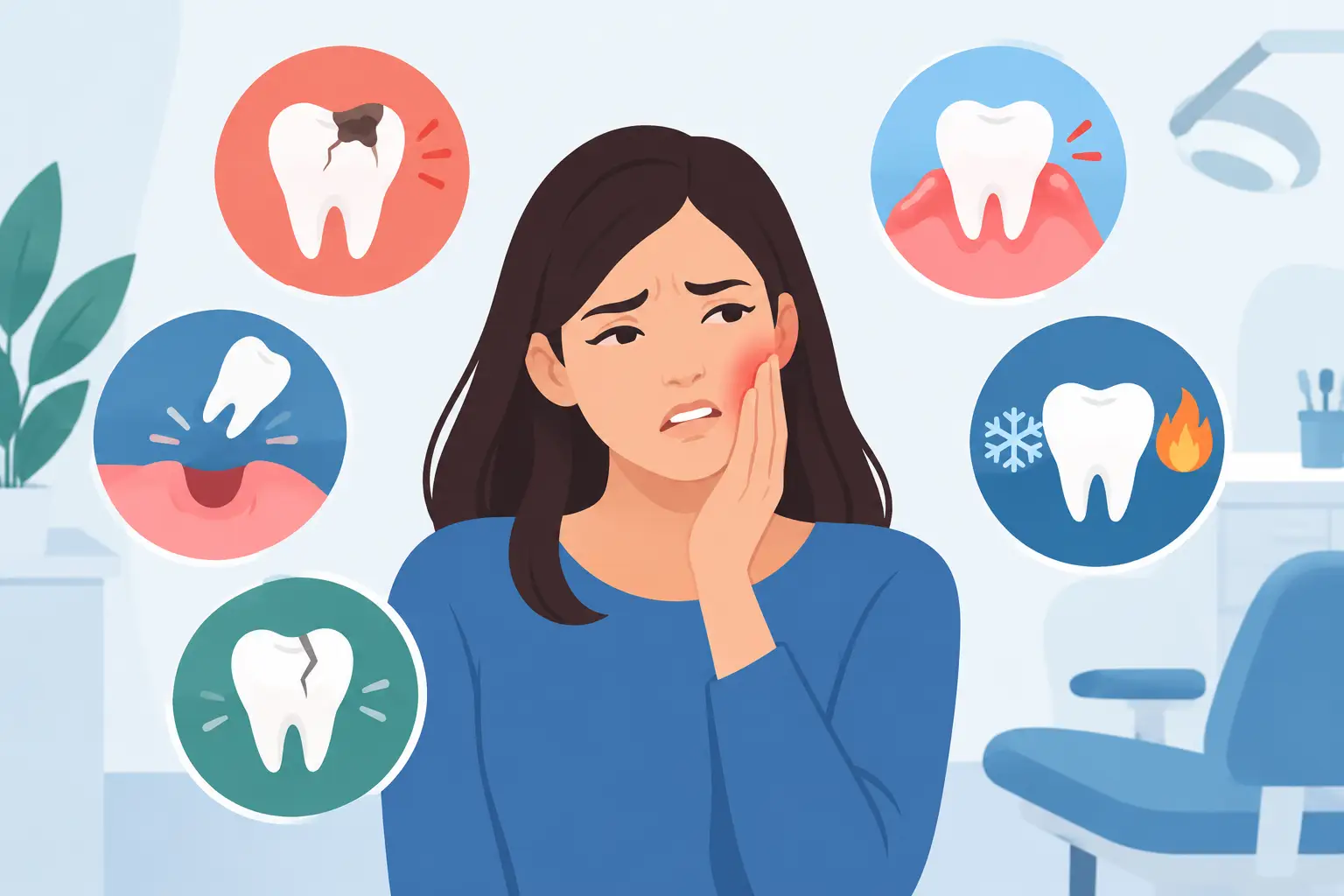
Tooth decay does not always hurt at first. It can progress beneath the surface of enamel, particularly around old fillings, between teeth or in areas that are difficult to clean. Once bacteria reach the inner pulp of the tooth, inflammation or infection can cause persistent throbbing pain, sensitivity to heat and cold, pain on biting, or swelling around the gum.
An abscess is an infection that needs urgent assessment. Antibiotics may be appropriate in certain circumstances, especially where infection is spreading, but they do not remove the source of the problem on their own. Depending on the tooth, definitive treatment may involve root canal treatment, drainage, restoration or extraction. Prompt care is the best way to preserve comfortable function and, where possible, save the natural tooth.
Cracked, fractured or broken teeth
Teeth are strong, but they are not indestructible. Biting unexpectedly on a hard olive stone, popcorn kernel or bone can fracture a tooth. So can a fall, a sporting collision or an accident. Teeth weakened by large fillings, untreated decay, grinding or previous root canal treatment are more susceptible to cracks.
A small chip may be smooth and painless, but a larger fracture can expose sensitive inner layers or leave a sharp edge that cuts the tongue or cheek. Avoid chewing on that side and keep any broken fragment if you can. Modern restorative care can range from careful bonding to a digitally planned crown, depending on how much healthy tooth structure remains. A crack extending below the gum line can be more difficult to manage, which is why timely examination matters.
Sports injuries and accidents
Contact sports, cycling accidents, slips and falls are common causes of dental trauma in both children and adults. A tooth may be chipped, pushed out of position, loosened or completely knocked out. The surrounding gums, lips and jaw can also be injured.
If an adult tooth is knocked out, handle it only by the crown – the visible white part – rather than the root. If dirty, rinse it briefly with milk or saline, without scrubbing. Try to place it back into its socket if it can be done safely, or store it in milk while arranging urgent dental care. Time is critical. Baby teeth should not be replanted, as this could damage the developing adult tooth beneath.
A custom-fitted mouthguard is a worthwhile safeguard for anyone playing contact sport. It offers a closer, more stable fit than a shop-bought option and can reduce the risk of injury to teeth and soft tissues.
Lost fillings, crowns and temporary restorations
Fillings and crowns can loosen over time as the adhesive seal wears, the tooth changes beneath the restoration, or a hard bite places excessive force on it. Occasionally, a restoration comes away because decay has developed around its edge.
This is not always painful, but the exposed tooth can be sensitive and more likely to fracture. Keep the crown or restoration if it has come out, avoid sticky foods and do not use household glue to refit it. A dentist needs to assess whether it can be recemented safely or whether the tooth requires further treatment first. A crown that no longer fits accurately may trap bacteria and compromise the tooth underneath.
Wisdom tooth pain and gum inflammation
Wisdom teeth can cause sudden discomfort when they are partly erupted or difficult to clean. Food and bacteria may collect beneath the gum flap around the tooth, causing inflammation known as pericoronitis. Symptoms can include pain at the back of the jaw, a bad taste, swollen gums, restricted opening and, sometimes, facial swelling.
Gentle cleaning and warm salt-water rinses may offer temporary comfort, but recurrent episodes need a clinical assessment. The long-term approach depends on the tooth’s position, the available space, its relationship to nearby structures and the pattern of symptoms. In some cases, monitoring is appropriate; in others, planned wisdom tooth removal is the safer and more predictable option.
Gum disease and dental abscesses
Bleeding gums are common and deserve attention, but heavy bleeding, acute swelling or a gum boil should not be ignored. Advanced gum disease can loosen teeth by damaging the bone and supporting tissues around them. Infection can also arise in the gums or around implants, particularly if plaque and calculus have accumulated beneath the gum line.
Emergency treatment focuses on stabilising the immediate issue, controlling infection and relieving discomfort. However, long-term success relies on identifying why it happened. This may involve periodontal treatment, improved home care, professional hygiene appointments and regular monitoring tailored to your risk factors.
Teeth grinding and bite-related strain
Clenching and grinding, often during sleep, can place considerable pressure on teeth, restorations and jaw joints. Some people notice morning jaw tension or headaches; others first become aware of the problem when a filling fractures, a crown chips or a tooth develops a crack.
Stress can aggravate grinding, but the picture is rarely that simple. Bite patterns, tooth wear, sleep quality and the condition of existing restorations all need consideration. A protective night guard may help reduce further damage, while more extensive wear can require carefully planned restorative treatment to rebuild function and natural aesthetics.
What to do while you arrange urgent care
Pain relief such as paracetamol or ibuprofen may help when taken according to the packet instructions and only if suitable for you. Do not place aspirin directly onto the gum or tooth, as it can burn soft tissue. A cold compress against the outside of the face may reduce swelling after injury.
Keep the area as clean as possible with gentle brushing and, where appropriate, warm salt-water rinses. Avoid extreme temperatures, hard foods and chewing on the affected side. If there is bleeding, apply steady pressure with clean gauze or a clean cloth. These measures are temporary – they should not delay an urgent assessment where pain, swelling or trauma is involved.
Our emergency dentist in Stillorgan can usually see you the same day, every day of the year. Call +353 1 283 1000.
Reducing the chance of another emergency
Some emergencies are unavoidable, but many begin as small, manageable problems. Regular examinations can identify early decay, cracks, leaking restorations and gum inflammation before they become painful. Professional hygiene care, a fluoride-based home routine, protective mouthguards and a well-made night guard where indicated all play a practical part in prevention.
If you are nervous about seeing a dentist, delaying care can feel easier in the moment but often makes treatment more involved. A calm, judgement-free appointment gives you space to discuss your concerns, understand your options and move forward at a pace that protects both your comfort and your smile.