A severe toothache rarely arrives at a convenient time. It may wake you at night, interrupt work or leave you unable to eat comfortably. An emergency dentist can identify the cause quickly, relieve pain safely and protect the tooth, surrounding tissues and your wider health. The aim is not simply to get you through the day. It is to stabilise the problem and create a clear plan for lasting recovery.
When is dental pain an emergency?
Not every dental concern needs same-day treatment, but pain, infection and trauma should never be ignored in the hope that they will settle. Dental problems can progress quickly, particularly when infection is involved. Early intervention is usually more comfortable, more predictable and more likely to preserve your natural tooth.
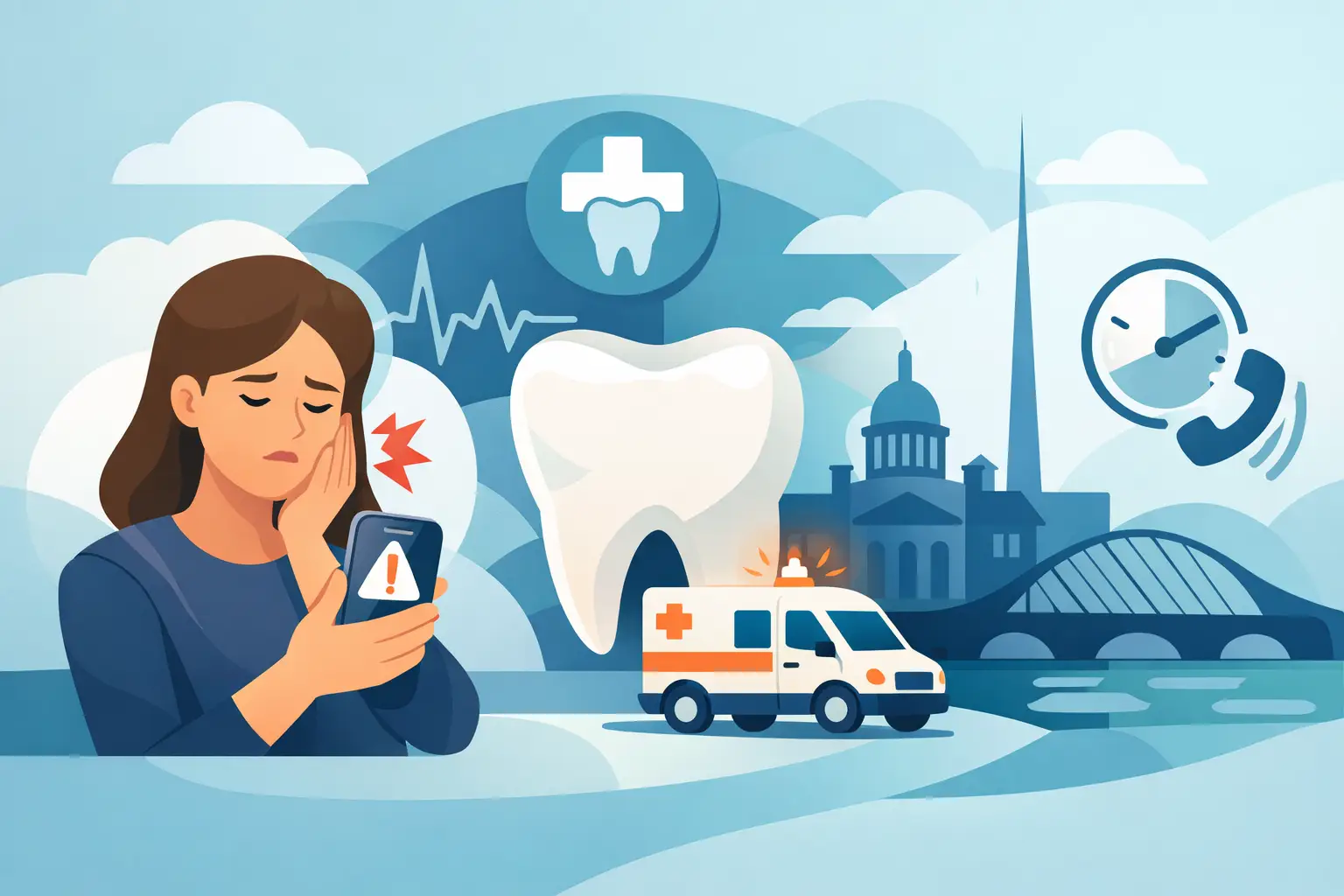
You should seek an urgent dental assessment if you have intense or persistent tooth pain, facial swelling, bleeding that will not stop, a broken tooth causing pain, a knocked-out tooth, a lost filling or crown that leaves the tooth exposed, or an injury to the teeth, lips, tongue or jaw. A painful wisdom tooth, swelling around the gum, or a loose adult tooth also warrants prompt attention.
Some situations need medical emergency care rather than a routine dental appointment. Call 112 or 999, or attend an emergency department, if swelling is affecting your breathing or swallowing, spreading towards the eye or neck, or is accompanied by severe illness. These symptoms can indicate a serious infection that requires immediate hospital treatment.
What an emergency dentist will look for
The visible problem is not always the full story. A cracked tooth may have a deeper fracture, a seemingly minor chip may expose the nerve, and a toothache may originate from decay, gum disease, a failing restoration, a cracked root or an infection beneath an old crown.
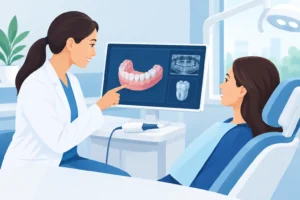
At an emergency appointment, your clinician will listen carefully to what has happened and when the symptoms began. They will examine the tooth, gums and bite, and may take digital X-rays where appropriate. This allows the team to assess the source of pain, the health of the tooth root and surrounding bone, and whether infection or trauma has affected neighbouring teeth.
The first priority is to make you comfortable and prevent further harm. Depending on the diagnosis, same-day care may include placing a temporary or permanent filling, smoothing a sharp broken edge, re-cementing a crown where suitable, draining an infection, beginning root canal treatment, treating a gum problem or providing a protective dressing. If a tooth cannot be predictably saved, extraction may be discussed with sensitivity and clear explanation.
Antibiotics are not a substitute for dental treatment. They can be necessary when there are signs of spreading infection or systemic illness, but they do not remove decay, repair a fracture or resolve the source of infection inside a tooth. Definitive treatment remains essential.
What to do before your emergency appointment
A few sensible steps can reduce discomfort and help protect the area before you are seen. Take pain relief only as directed on the packaging and only if it is safe for you based on your medical history. Avoid placing aspirin directly on the gum or tooth, as this can burn the soft tissues.
If you have swelling, apply a cold compress to the outside of the face in short intervals. Keep your head elevated when resting, as lying flat can make throbbing pain feel worse. Rinse gently with warm salt water if the gum is irritated, but do not repeatedly prod or squeeze a swollen area.
For a broken tooth or lost restoration, avoid chewing on that side and keep the area clean. A temporary pharmacy repair material may occasionally protect a lost filling for a short time, but it should not delay professional assessment. If a crown has come away, keep it safely and bring it with you rather than trying to force it back into place.
A knocked-out adult tooth is particularly time-sensitive. Hold it only by the crown, never the root. If it is dirty, rinse it briefly with milk or saline without scrubbing. If possible, gently place it back into the socket and bite on clean gauze to hold it there. If this is not possible, store it in milk or saliva in a clean container and seek emergency dental care immediately. Do not reinsert a baby tooth, as this could damage the developing adult tooth underneath.
Toothache, swelling and dental infection
Toothache can range from a brief sensitivity to an intense, pulsing pain that affects sleep and concentration. Cold sensitivity may point to exposed dentine, decay, gum recession or a leaking filling. Pain that lingers after hot or cold drinks, hurts when biting, or appears without a clear trigger can suggest inflammation or infection within the tooth.
Swelling deserves particular respect. An abscess is a collection of infection that may develop at the root of a tooth or in the gum. Sometimes there is a visible pimple-like swelling; at other times, the first sign is facial tenderness, a bad taste, fever or pain on biting. The pain can occasionally lessen when an abscess starts draining, but this does not mean the infection has resolved.
Prompt treatment can preserve a tooth through root canal therapy when the remaining structure and long-term outlook are favourable. In other cases, extraction is the safest option. The right choice depends on the extent of damage, the condition of the roots and bone, the tooth’s role in your bite, and whether it can be restored to a stable, hygienic result.
Broken teeth, lost crowns and dental trauma
A chipped tooth may be a cosmetic concern, but a larger fracture can expose sensitive inner layers or weaken the tooth substantially. Bring any broken pieces with you where possible. Treatment may involve composite bonding, a new filling, a crown, root canal treatment or, after significant injury, a more comprehensive restorative plan.
Crowns and bridges can loosen because of recurrent decay, cement failure, bite forces or damage to the supporting tooth. If the restoration is intact and the underlying tooth is healthy, it may sometimes be re-cemented. If it no longer fits accurately, has fractured, or the tooth beneath has changed, a new restoration may be needed. Trying to repair it at home with household glue is unsafe and can make proper treatment more difficult.
Following a fall, sports injury or blow to the face, a tooth can be damaged even if it looks normal initially. Teeth may become tender, loose, discoloured or sensitive days or weeks later. An early assessment gives the best chance of detecting root fractures, movement of the tooth or injury to the nerve before complications develop.
Gentle care for nervous emergency patients
Dental emergencies are stressful, especially if you already feel anxious about treatment or have avoided appointments for some time. You will not be judged for the condition of your teeth, how long it has been since your last visit or how worried you feel. The immediate focus is your comfort, safety and relief.
Tell the team if you are nervous, have had a difficult dental experience, struggle with gagging, or need time to process information. A calm, step-by-step explanation can make urgent treatment feel far more manageable. Local anaesthetic is used carefully to keep procedures comfortable, and treatment can be paced around your needs wherever clinically appropriate.
At Slievemore Dental, emergency care sits within a wider pathway that includes restorative dentistry, hygiene care, oral surgery and specialist-led rehabilitation. This matters when an urgent appointment reveals a more complex issue, such as a failing tooth, recurrent infection or extensive damage requiring coordinated treatment.
After emergency treatment: protecting the long-term result
Emergency care often resolves the immediate crisis, but it may be the first stage rather than the final stage. A temporary filling may need replacing with a durable restoration. A tooth treated for infection may require a crown to reduce its risk of fracture. An extraction may lead to a conversation about replacing the missing tooth to protect function, speech and bite stability.
Follow the aftercare advice you are given, particularly around eating, cleaning the area and taking prescribed medication. Contact the practice if pain increases after initial improvement, swelling worsens, a temporary restoration comes away, or you develop a fever or difficulty swallowing.
Once you are comfortable, a routine check-up and hygiene plan can help reduce the likelihood of another emergency. Small areas of decay, cracked fillings, gum inflammation and bite-related wear are much easier to manage before they become painful. Seeking help promptly is not overreacting – it is a practical step towards keeping your smile comfortable, healthy and confidently your own.