A healthy smile rarely depends on one appointment. It is built through regular care, early diagnosis and having the right clinical support when something changes. When choosing a general dentist in Dublin, the aim is not simply to find somewhere for a check-up. It is to find a practice that understands your health, your concerns and the standard of care you want over the years ahead.
For some people, that means a calm first visit after a long period away from the dentist. For others, it means finding a trusted clinician for their child, resolving recurring toothache, or planning a restoration that looks as natural as it feels. The best choice is personal, but a few clinical standards should remain consistent.
What a general dentist should do for your long-term health
General dentistry is the foundation of oral health. Routine examinations, hygiene care, preventive advice and early treatment help protect teeth and gums before a minor concern becomes a more involved problem. This matters because dental disease is often quiet in its early stages. Decay beneath an old filling, gum inflammation and a small crack in a tooth may not cause immediate pain, yet each can become more difficult to treat if left unchecked.
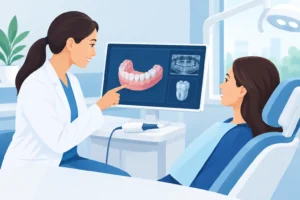
A thorough appointment should look beyond the obvious. Your dentist may assess your teeth, gums, bite, existing restorations and soft tissues, while discussing changes in sensitivity, bleeding gums, jaw discomfort or your wider medical history. Digital X-rays or scans may be recommended when they add useful diagnostic information. The purpose is not to over-treat. It is to make decisions based on a clear, accurate picture of your mouth.
Prevention is also more than being told to brush and floss. A good clinician explains what is happening, identifies the factors most relevant to you and gives practical guidance you can maintain at home. For one patient, this may involve improving cleaning around crowded teeth. For another, it could mean managing acid erosion, dry mouth, clenching or early gum disease.
Choosing a general dentist in Dublin: what matters most
Convenience is valuable, particularly for busy families and working professionals, but it should not be the only deciding factor. A practice close to home or work is helpful if it makes attending regularly easier. Yet the quality of assessment, communication and follow-through will have a greater effect on your long-term experience.
Look for a practice where your dentist takes time to listen before recommending treatment. You should understand what has been found, why it matters, what the alternatives are and what may happen if you choose to monitor rather than treat immediately. Dentistry is not always a single right answer. A worn filling may be suitable for observation, repair or replacement depending on its condition, symptoms and the health of the surrounding tooth.
It is equally reasonable to ask how a practice approaches patient comfort. Dental anxiety is common, including among people who appear confident elsewhere. Gentle care includes checking in throughout treatment, explaining each stage in clear language and avoiding judgement about the time since your last appointment. The right environment can make it easier to return for the care you need.
A team that can coordinate more complex treatment
General dentistry should be able to support everyday needs, from examinations and hygiene appointments to fillings, root canal care and crowns. However, some cases need additional expertise. Missing teeth, failing restorations, wisdom tooth problems, advanced gum concerns, bite changes and significant wear can require input from clinicians with specialist training.
This does not mean every patient needs complex treatment. It means that, if your needs change, your care can be planned with the right level of expertise rather than fragmented between unrelated providers. A multidisciplinary practice can coordinate general, restorative, cosmetic, orthodontic and surgical care around one diagnostic plan.
That is particularly valuable when appearance and function are closely connected. A front-tooth crown, for example, must be strong enough for everyday use while matching the shape, translucency and colour of neighbouring teeth. Replacing multiple missing teeth may involve considering bone levels, bite forces, gum contours and the long-term cleansability of the final result. Digital planning can help clinicians assess these details carefully and communicate the proposed outcome more clearly.
Prevention, hygiene and the value of regular review
Professional hygiene care is an important part of a preventive plan, but it is not identical for every patient. Some people benefit from a standard maintenance appointment, while those with active gum disease or a history of periodontal treatment may need more frequent reviews. Your dentist and hygienist should advise based on your individual risk, not a fixed timetable alone.
Gum health deserves particular attention because bleeding is not something to ignore. It can be an early sign of inflammation caused by plaque accumulation, and untreated inflammation can progress to periodontal disease. In more advanced cases, the supporting bone around teeth may be affected. With timely professional care and consistent home cleaning, gum disease can often be stabilised, helping patients retain their natural teeth for longer.
Regular reviews also allow small changes to be spotted early. This may include checking old crowns and fillings, assessing signs of tooth grinding, monitoring an area with early decay, or reviewing how a child’s teeth and jaws are developing. Early intervention is usually more conservative, more comfortable and less disruptive than waiting for pain or a fracture.
When appearance, function and confidence overlap
Many patients initially book with a general dentist because of a practical concern, then realise that other aspects of their smile affect their confidence too. Discolouration, worn edges, uneven teeth or ageing restorations can make people self-conscious in photographs, meetings and social situations.
A careful approach to cosmetic dentistry starts with oral health. Whitening may be appropriate for healthy teeth, but it will not change the shade of existing crowns or fillings. Veneers can create refined aesthetic changes, but they are not automatically the best answer for every concern. Sometimes whitening, composite bonding or replacing a visibly failing restoration can achieve a more conservative result.
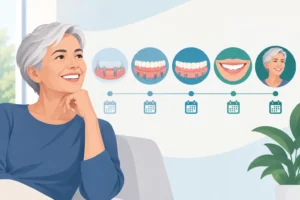
The key is planning. Natural-looking dentistry respects facial features, lip position, tooth proportions and how the bite functions. It should not rely on a one-size-fits-all shade or shape. Where treatment is more extensive, such as full-mouth rehabilitation or implant-supported restorations, detailed digital records and staged planning support greater precision and predictability.
What to do when you need urgent care
Dental emergencies are rarely convenient. A severe toothache, swelling, broken tooth, lost crown or trauma can make it difficult to sleep, eat or concentrate. In these situations, prompt assessment is important. Pain relief alone may mask the problem without addressing its cause.
Emergency treatment focuses first on diagnosis and stabilisation. That might mean relieving pressure from an infected tooth, repairing a fracture, managing swelling or protecting an exposed area. Sometimes definitive treatment can be completed on the day; in other cases, the safest approach is to make the tooth comfortable and arrange the next stage once inflammation has settled or further planning is complete.
If facial swelling is spreading, breathing or swallowing is difficult, or there has been significant facial trauma, urgent medical assessment is essential. A dental practice can advise on the most appropriate next step, but severe symptoms should never be delayed.
A relationship that makes dental care easier
The most reassuring dental care often feels unhurried, even when it is efficient. You know who to contact, you understand your options and you feel comfortable raising questions before making a decision. For families, it also means children can build familiarity with dental visits in a positive, age-appropriate setting.
At Slievemore Dental, that relationship can begin with prevention and continue through restorative, aesthetic or specialist treatment when needed. The value lies in having care that remains personal while being supported by careful diagnostics, modern technology and experienced clinicians.
Your mouth changes over time, and your dental care should be able to respond thoughtfully. Choosing a dentist who combines clinical precision with genuine gentleness gives you a dependable place to turn, whether your next visit is routine or something unexpected.