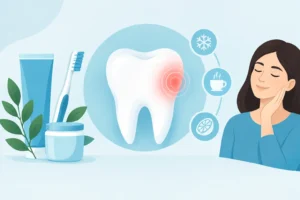
A toothache that wakes you at night, hurts when you bite, or seems to pulse without warning deserves more than painkillers and patience. Searches for “signs of infected tooth” are often prompted by exactly this kind of discomfort. While not every painful tooth is infected, a dental infection needs prompt assessment to relieve pain, protect the tooth where possible, and prevent the problem from spreading.
An infected tooth can feel alarming, particularly if you are nervous about dental treatment or have put an appointment off. The reassuring point is that dentists treat these problems every day. Early care is usually more straightforward, more comfortable, and more likely to preserve your natural tooth.
What is an infected tooth?
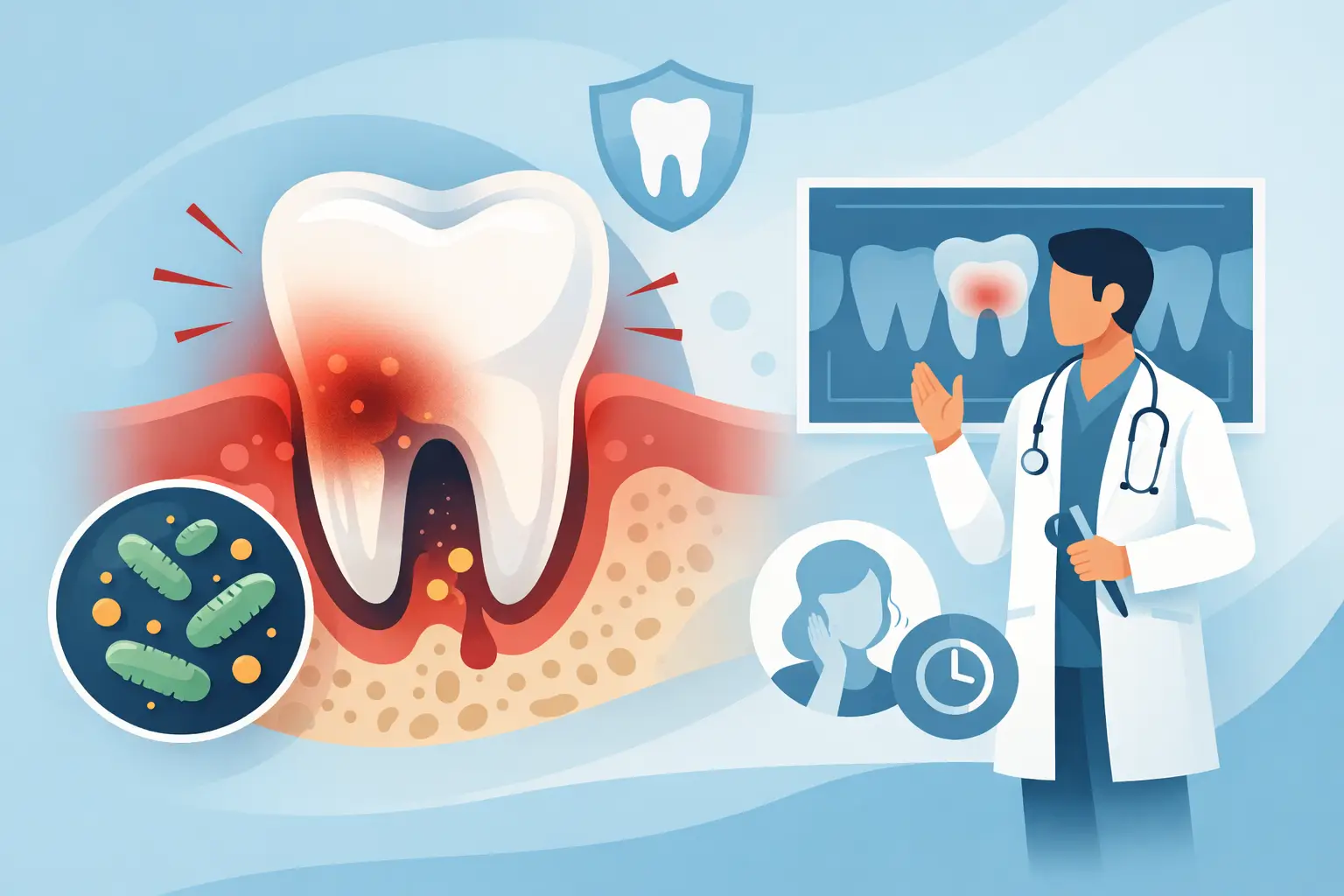
A tooth infection develops when bacteria enter the soft inner tissue of the tooth, known as the pulp. This may happen through untreated decay, a crack, a leaking old filling, gum disease, or an injury that damages the tooth’s blood supply. The infection can then extend beyond the root into the surrounding bone and soft tissues, sometimes creating a pocket of pus called an abscess.
The severity varies. Some infections cause intense pain quickly; others progress quietly, with only a small gum swelling or an occasional unpleasant taste. A tooth that has previously had root canal treatment can also become infected again if bacteria find a route back into the root canal system. This is why a clinical examination and dental X-rays are often needed – symptoms alone cannot show the full picture.
Signs of an infected tooth to take seriously
Persistent, throbbing tooth pain
A deep, persistent ache is one of the most familiar signs. It may be localised to one tooth or feel as though it spreads into the jaw, ear, temple, or neck. Pain can become worse when lying down, eating, or drinking something hot or cold.
However, pain is not always a reliable measure of seriousness. A severely infected tooth may stop hurting if the nerve inside dies, but the infection can remain active around the root. Relief that arrives suddenly after days of severe toothache is therefore not necessarily a reason to cancel an appointment.
Pain or pressure when biting
If a tooth feels raised, bruised, or painful when you close your teeth together, inflammation around its root may be involved. This can make chewing on that side difficult. It can also occur with a cracked tooth or gum problem, so a dentist will assess the bite, gums, tooth structure, and X-ray findings before recommending treatment.
Swelling of the gum, face, or jaw
A tender swelling beside a tooth, a pimple-like spot on the gum, or swelling in the cheek or jaw can indicate an abscess. Sometimes the swelling drains through the gum, leaving a salty or unpleasant taste in the mouth. The swelling may reduce after drainage, but the source of the infection still requires dental treatment.
Facial swelling should never be ignored. It can change quickly, and the safest next step depends on its location, size, and whether it is affecting normal swallowing or breathing.
Sensitivity that lingers
Brief sensitivity to cold can occur with exposed root surfaces or early decay. Sensitivity that lingers for more than a few seconds after hot or cold drinks, especially when accompanied by spontaneous pain, may suggest the pulp is inflamed or infected. Heat sensitivity is particularly common where pressure has built up inside the tooth.
A darkened or discoloured tooth
A tooth that becomes grey, brown, or noticeably darker than neighbouring teeth may have suffered trauma or lost its blood supply. This can happen years after an accident, even if the tooth did not hurt at the time. Discolouration does not always mean active infection, but it should be checked because a non-vital tooth may need monitoring or treatment.
Bad taste, bad breath, or a draining gum boil
Persistent bad breath or a foul taste can have several causes, including gum disease and dry mouth. When it appears alongside a sore tooth, gum swelling, or a small recurring spot that releases fluid, infection becomes more likely. A draining sinus can be surprisingly painless, which is why it is easy to overlook.
Fever or feeling generally unwell
Fever, fatigue, swollen glands, or feeling unwell alongside dental pain and swelling can signal that an infection is affecting more than the tooth itself. Contact a dentist urgently for advice. If the symptoms are severe or progressing, seek emergency medical care.
When an infected tooth becomes an emergency
Most dental infections need an urgent dental appointment rather than a visit to A&E. But certain symptoms need immediate emergency assessment because swelling can affect the airway or spread through facial spaces. Do not wait for a routine appointment if you have:
- difficulty breathing, swallowing, or speaking normally;
- swelling around the eye, under the jaw, or into the neck;
- rapidly increasing facial swelling; or
- a high fever, confusion, or severe illness with facial swelling.
For less severe but persistent tooth pain, gum swelling, or a suspected abscess, contact a dentist as soon as possible. Same-day emergency appointments can focus first on getting you comfortable and controlling the source of the infection.
Worried about an infection? Our emergency dentist in Stillorgan can see you today, including weekends and bank holidays. Call +353 1 283 1000.
Why antibiotics are not usually the full answer
Antibiotics can be appropriate where there is spreading infection, fever, or particular medical risk. They are not, however, a substitute for treating the source inside or around the tooth. If infected tissue remains within the root canals or an abscess cannot drain, symptoms may settle temporarily and then return.
The definitive treatment depends on the diagnosis. Root canal treatment removes infected pulp, disinfects the canal system, and seals the tooth so it can often be retained. If a tooth is too broken down to restore predictably, extraction may be the safer option. A missing tooth can then be discussed in the context of your bite, appearance, bone levels, and longer-term goals, with options such as an implant, bridge, or denture where appropriate.
There is no one-size-fits-all answer. Saving a natural tooth is usually desirable, but a heavily fractured tooth or one with poor surrounding support may not have a predictable prognosis. A careful assessment helps you make an informed choice rather than repeatedly treating a tooth that cannot provide lasting function.
What to do while waiting for your appointment
Keep the area as clean as you comfortably can by brushing gently with fluoride toothpaste and cleaning between the teeth if this does not worsen pain. Rinse gently with warm salt water if it feels soothing. Choose softer foods, chew on the other side, and avoid very hot, cold, or sugary foods if they trigger symptoms.
Over-the-counter pain relief may help when taken only as directed on the packet and when suitable for you medically. A pharmacist can advise if you take regular medication, are pregnant, or have conditions that affect which pain relief is safe. Do not place aspirin, alcohol, or any other substance directly on the gum or tooth – this can burn the soft tissues without treating the infection.
Avoid trying to pop or drain a gum swelling yourself. It may introduce further bacteria, delay appropriate care, and does not address the infected tooth.
What to expect at the dental appointment
Your dentist will begin by listening to your symptoms and examining the tooth, gums, bite, and nearby tissues. X-rays and vitality tests may be used to identify the cause and determine whether infection has reached the root or surrounding bone. If you feel anxious, say so at the start. Gentle local anaesthetic, clear explanations, and breaks during treatment can make an urgent visit feel far more manageable.
At Slievemore Dental, emergency assessment is designed to establish the cause, relieve discomfort, and create a clear plan for definitive care. In some cases, treatment can begin immediately; in others, it may be safer to settle acute symptoms first and complete root canal or restorative work at a further visit.
A suspected infected tooth is not a test of how long you can tolerate pain. Booking an assessment early gives you the best chance of a calmer experience, a more predictable outcome, and a comfortable return to eating, speaking, and smiling with confidence.